

Imagem
Posted On
Segunda, 02 de Março de 2026 - 16:46
Corpo
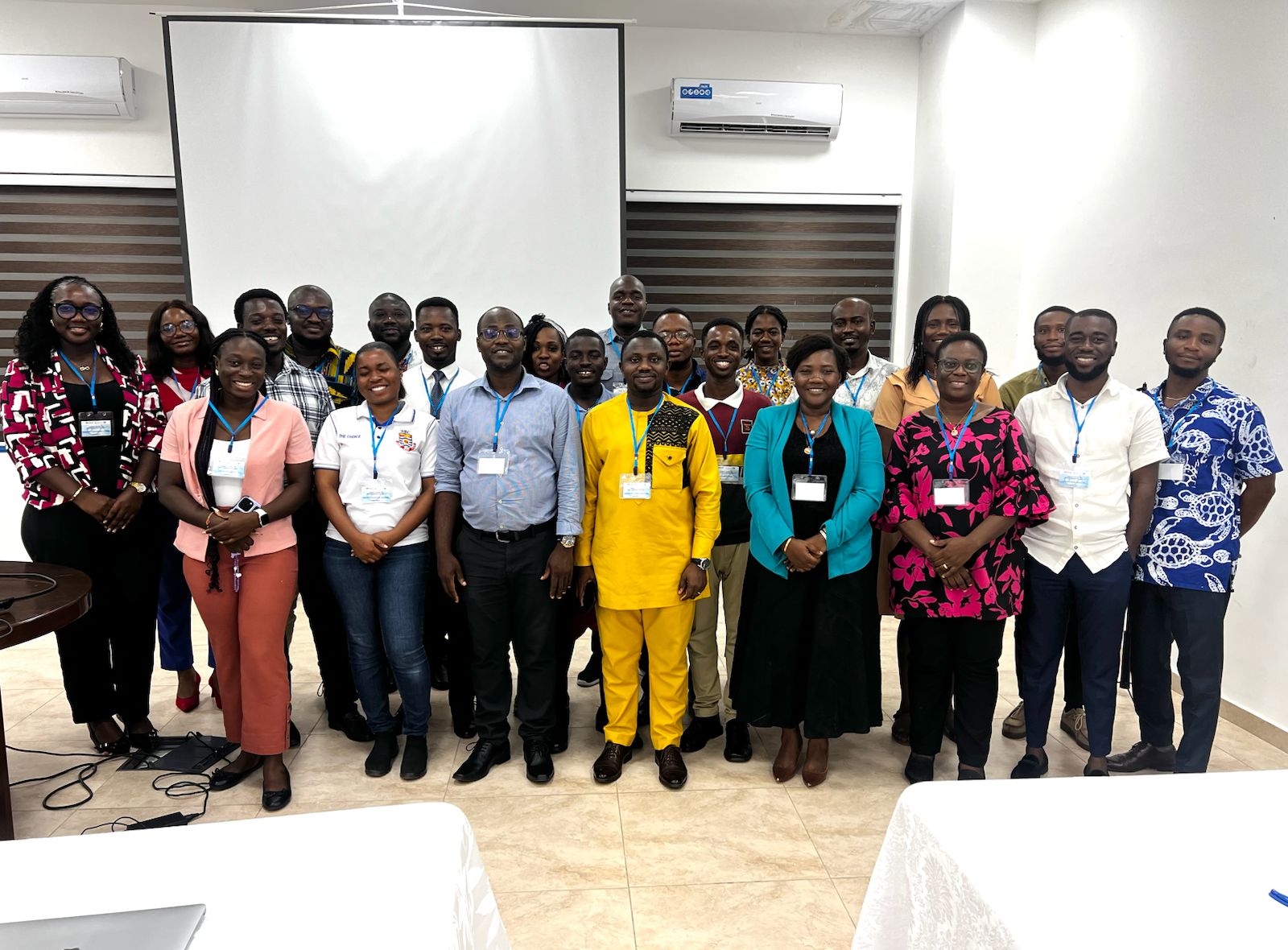
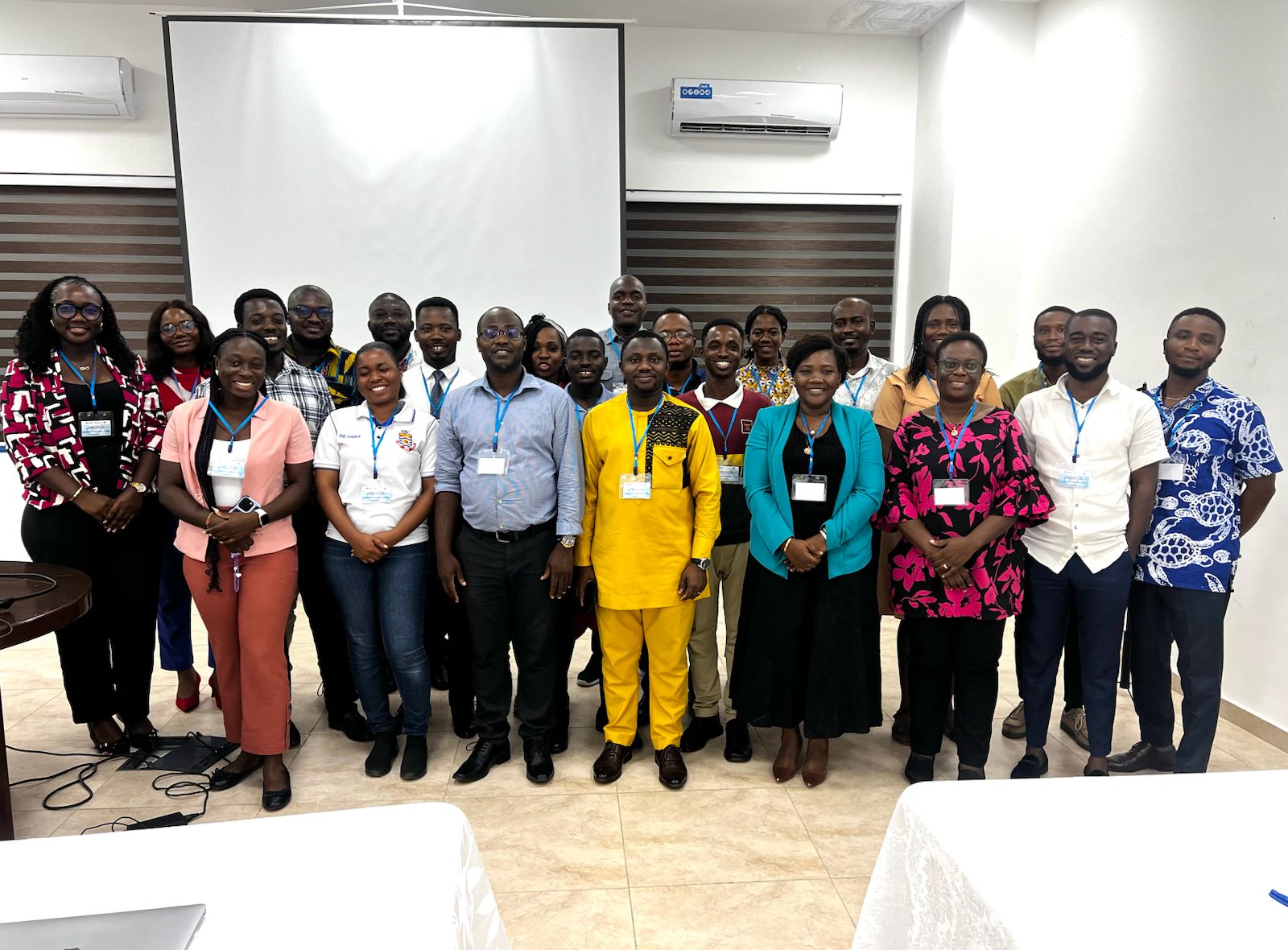
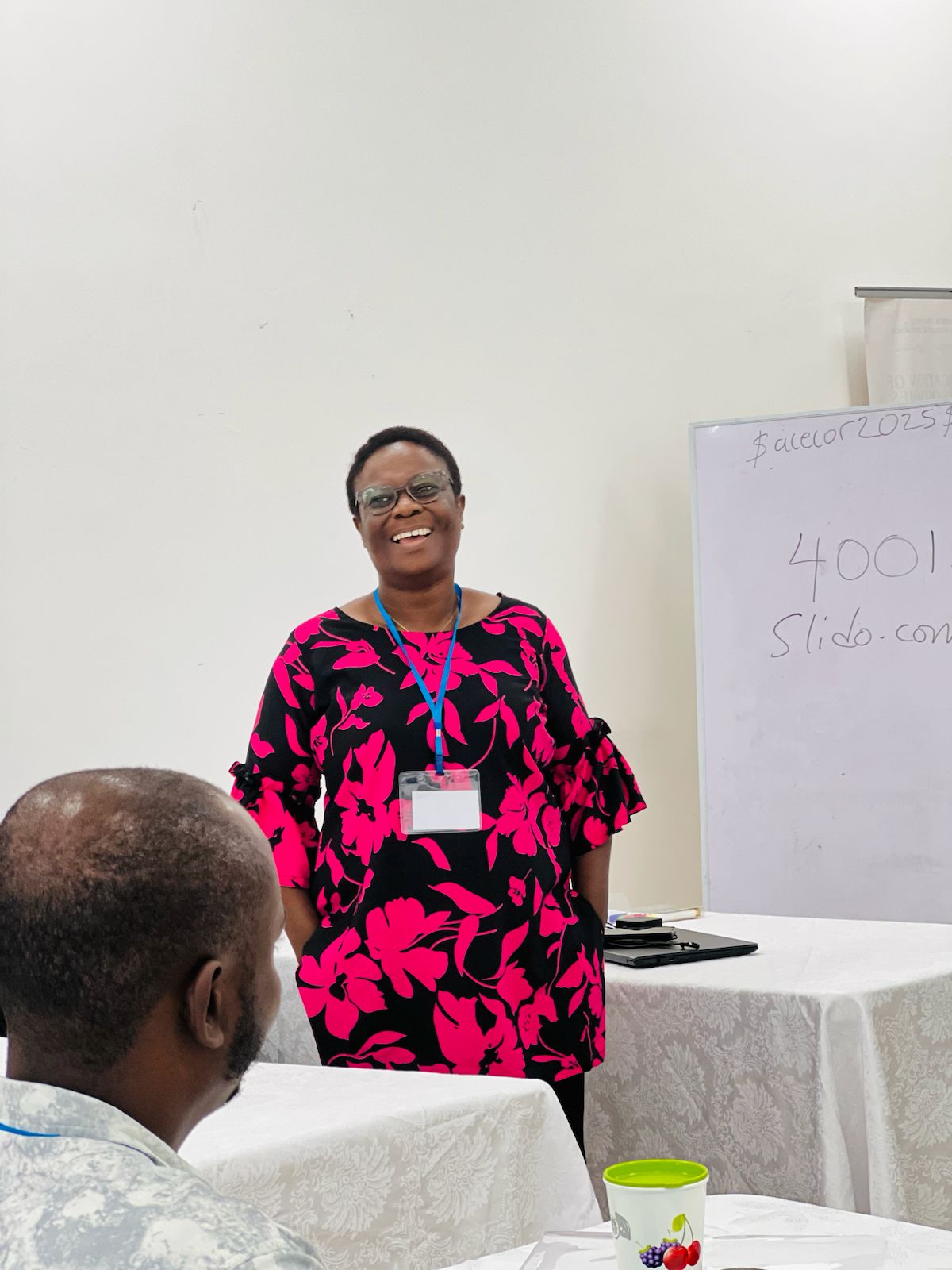
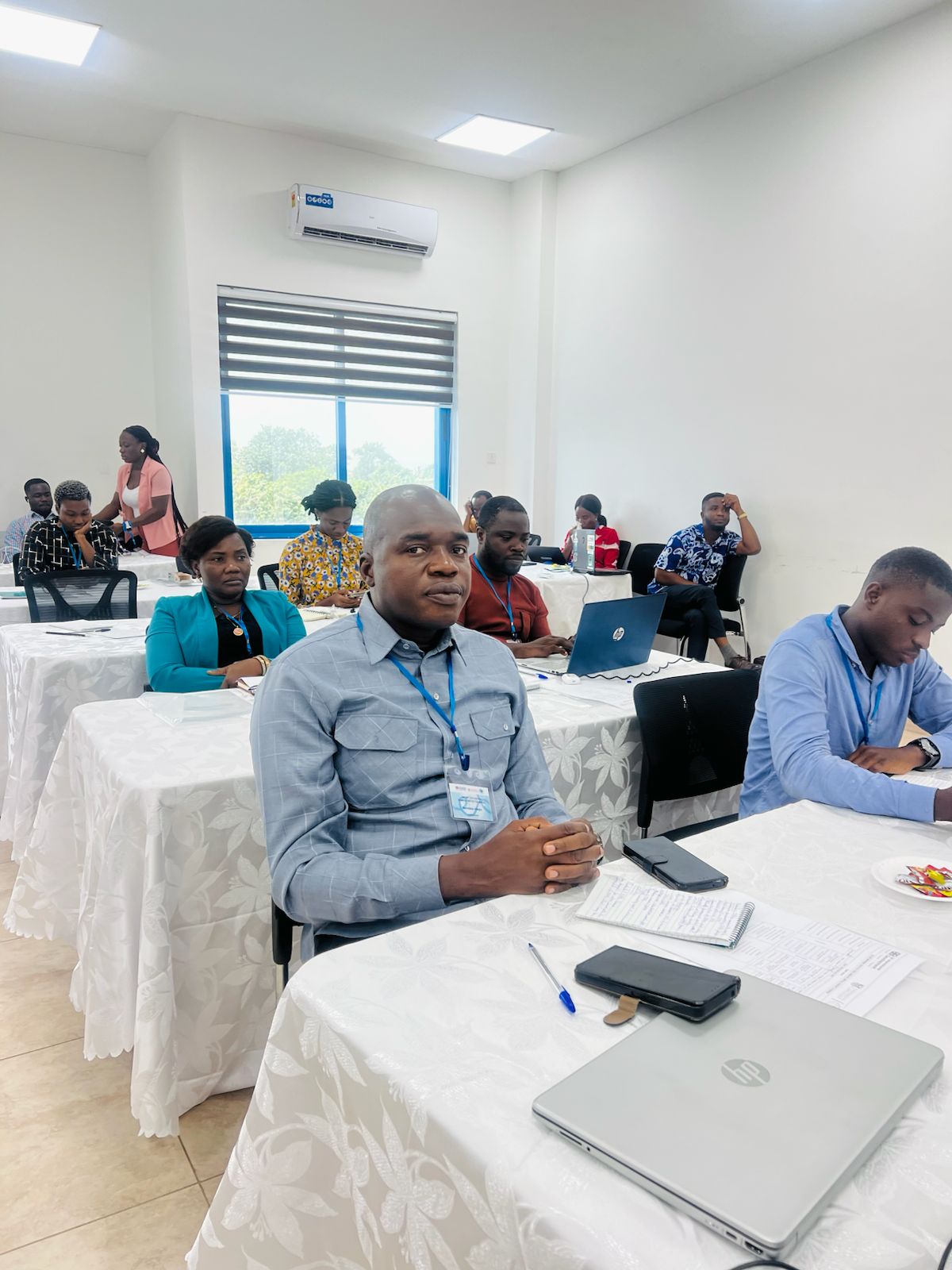
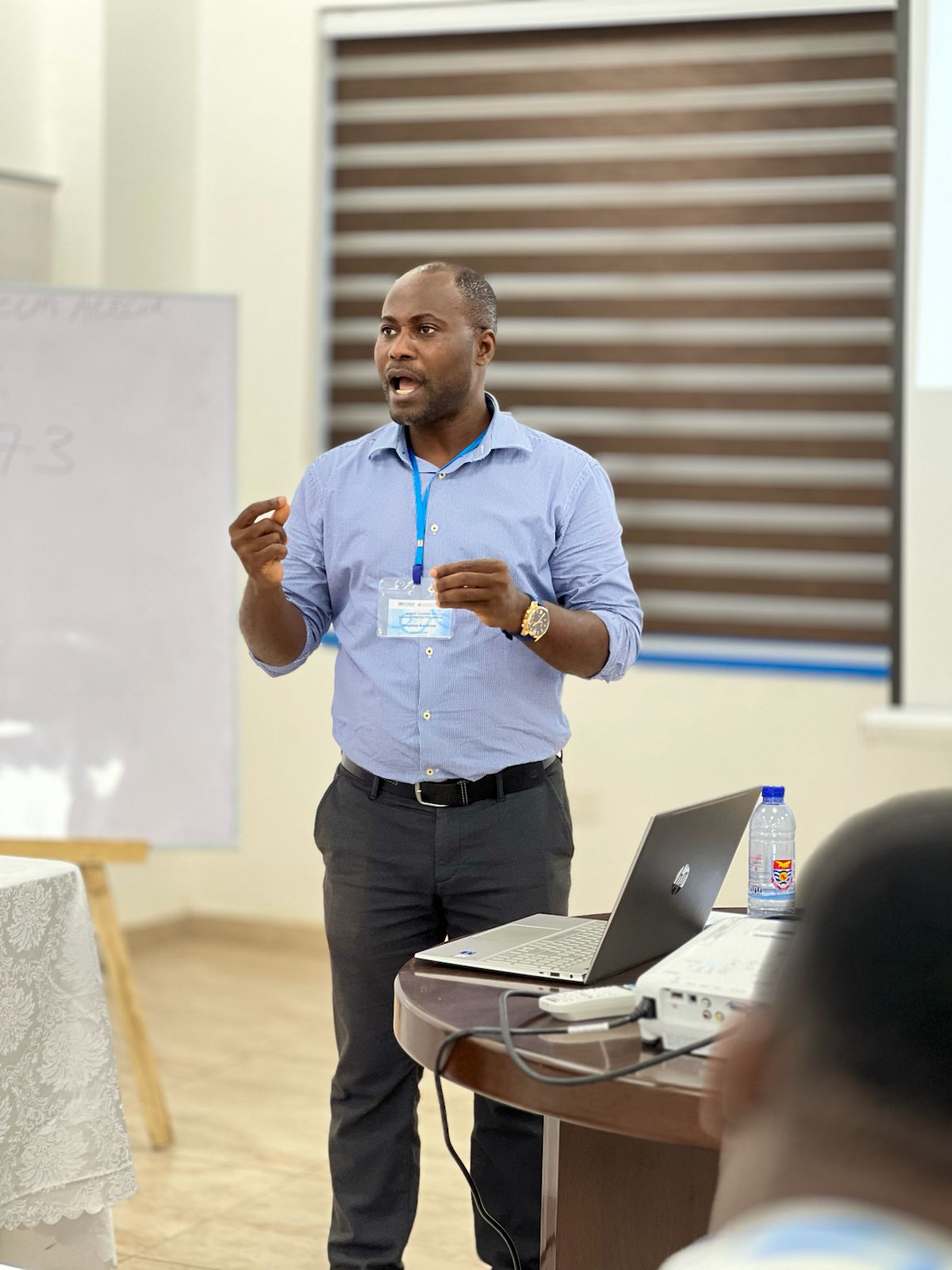
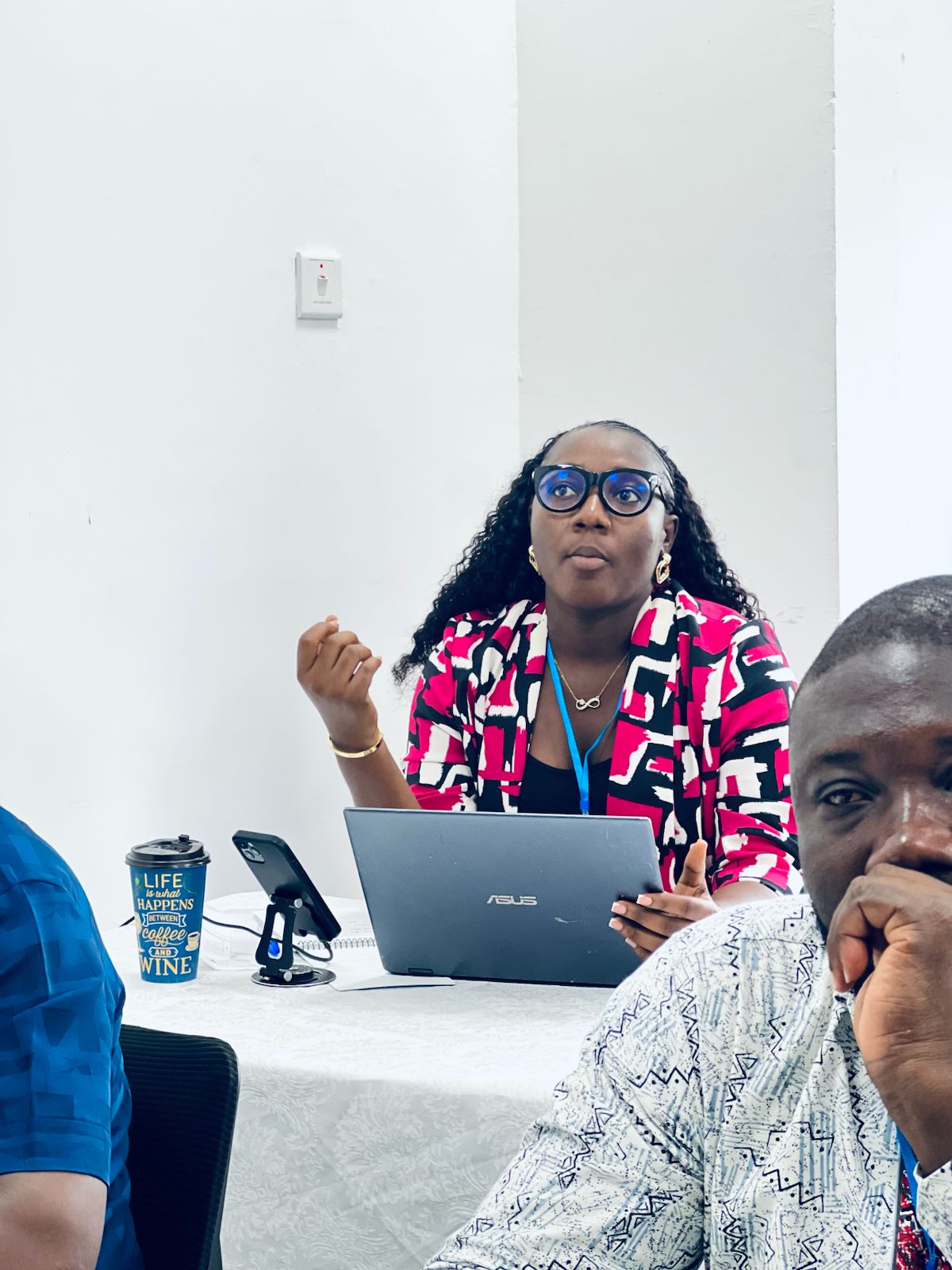
The Centre for Coastal Management at the University of Cape Coast, in partnership with UK International Development, has successfully concluded a five-day short course on Marine Protected Areas (MPAs), aimed at strengthening national capacity for effective marine conservation and ocean governance.
The intensive training brought together professionals from various sectors committed to safeguarding Ghana’s marine and coastal resources. Over the five days, participants were taken through a comprehensive learning journey covering MPA identification and regulation, management planning, monitoring, and Marine Spatial Planning.
The course opened with foundational sessions introducing the core principles of Marine Protected Areas. Participants examined the ecological, social, and economic importance of MPAs, drawing lessons from global experiences while assessing opportunities and challenges within the Ghanaian context. Discussions emphasized the critical role MPAs play in conserving biodiversity, sustaining fisheries, supporting coastal livelihoods, and advancing sustainable development.
As the training progressed, attention shifted to the practical processes involved in establishing and managing MPAs. Sessions on MPA identification explored the scientific, ecological, and socio-economic criteria that guide site selection. Participants also examined regulatory frameworks and stakeholder engagement strategies necessary for inclusive and effective implementation.
Management planning formed a central component of the course, highlighting the importance of setting clear objectives, defining governance structures, and designing implementation and monitoring systems to ensure protected areas deliver measurable impact. A dedicated session on MPA monitoring equipped participants with tools and approaches for tracking ecological health and socio-economic outcomes.
The programme also introduced participants to Ocean Accounts, broadening their understanding of how marine ecosystems can be integrated into national development planning and economic decision-making.
Moreover, participants explored Marine Spatial Planning and its relevance to Ghana. Sessions examined how MPAs fit within broader ocean governance frameworks that balance conservation with competing marine uses such as fisheries, shipping, tourism, and energy development. A presentation on the background to Marine Spatial Planning in Ghana provided valuable policy context and highlighted ongoing national efforts toward coordinated ocean management.
The short course was further enriched by expert insights on the role of the Technical Advisory Committee in establishing Marine Protected Areas in Ghana, underscoring the importance of institutional coordination and evidence-based decision-making.
By the conclusion of the training, a central message had emerged, effective marine conservation requires collaboration, strategic planning, strong governance systems, and sustained commitment across sectors.
The five-day short course represents a significant step toward strengthening Ghana’s capacity to design, implement, and manage Marine Protected Areas that secure healthy oceans and resilient coastal communities for generations to come.
Última modificação