

Image
Posted On
Monday, March 23, 2026 - 09:44
Body
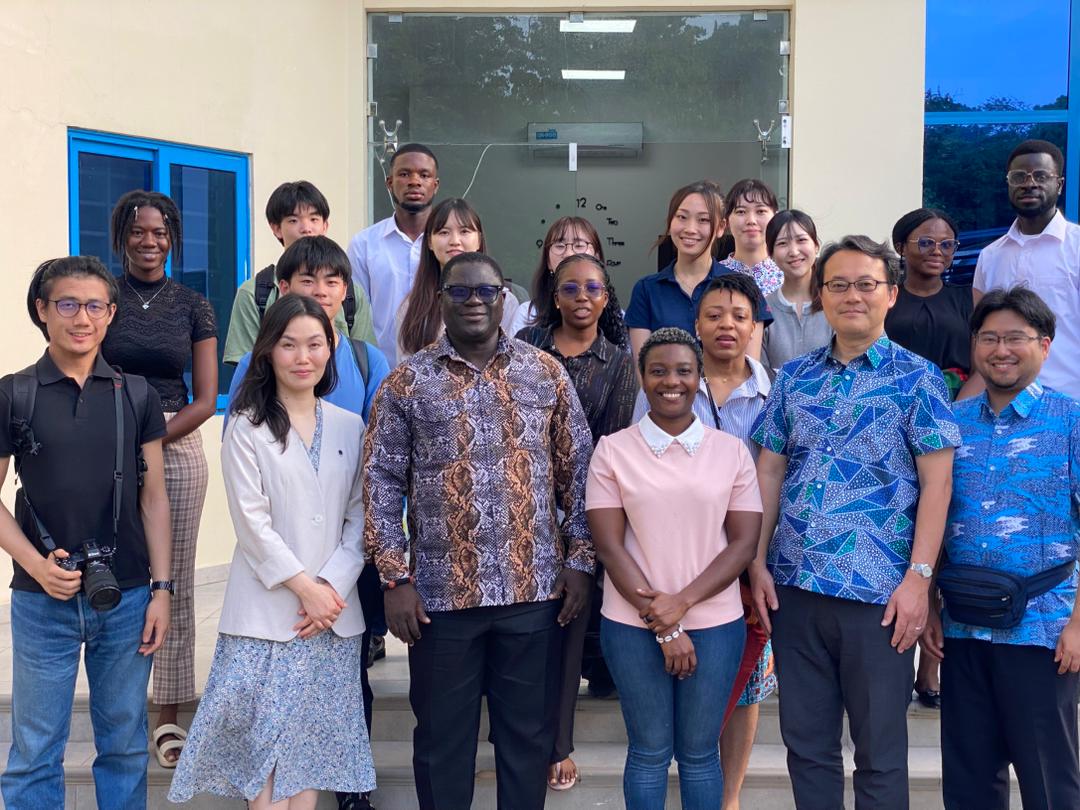
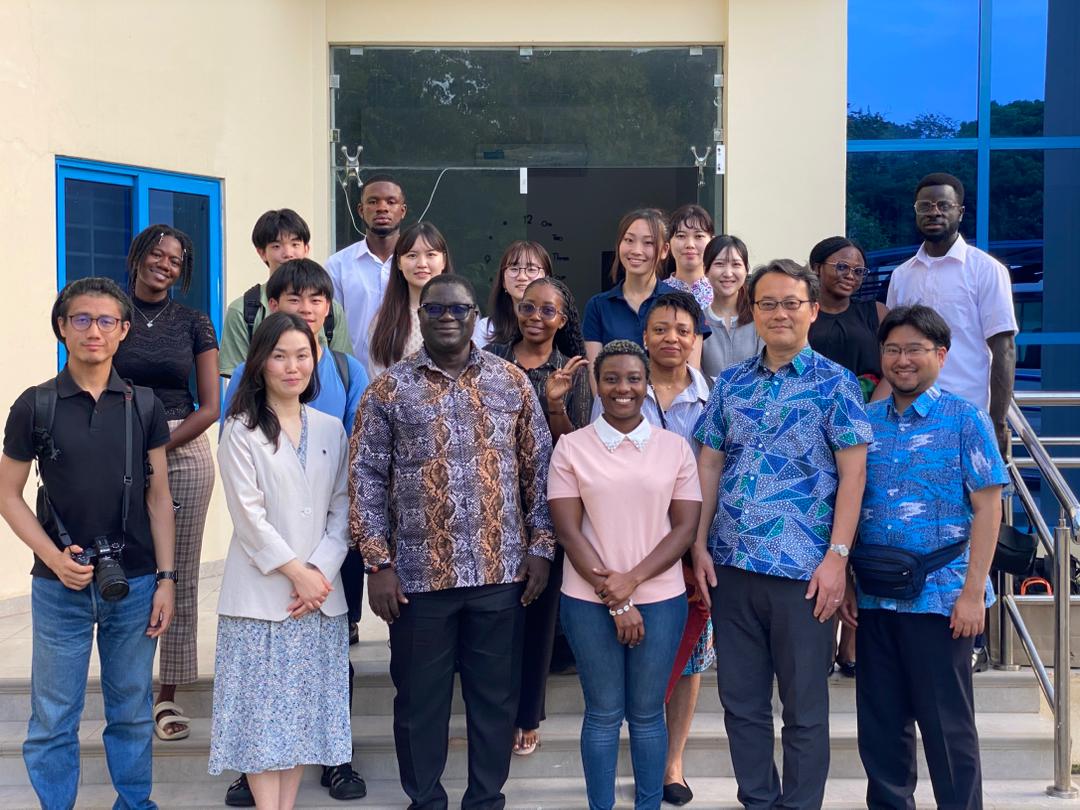
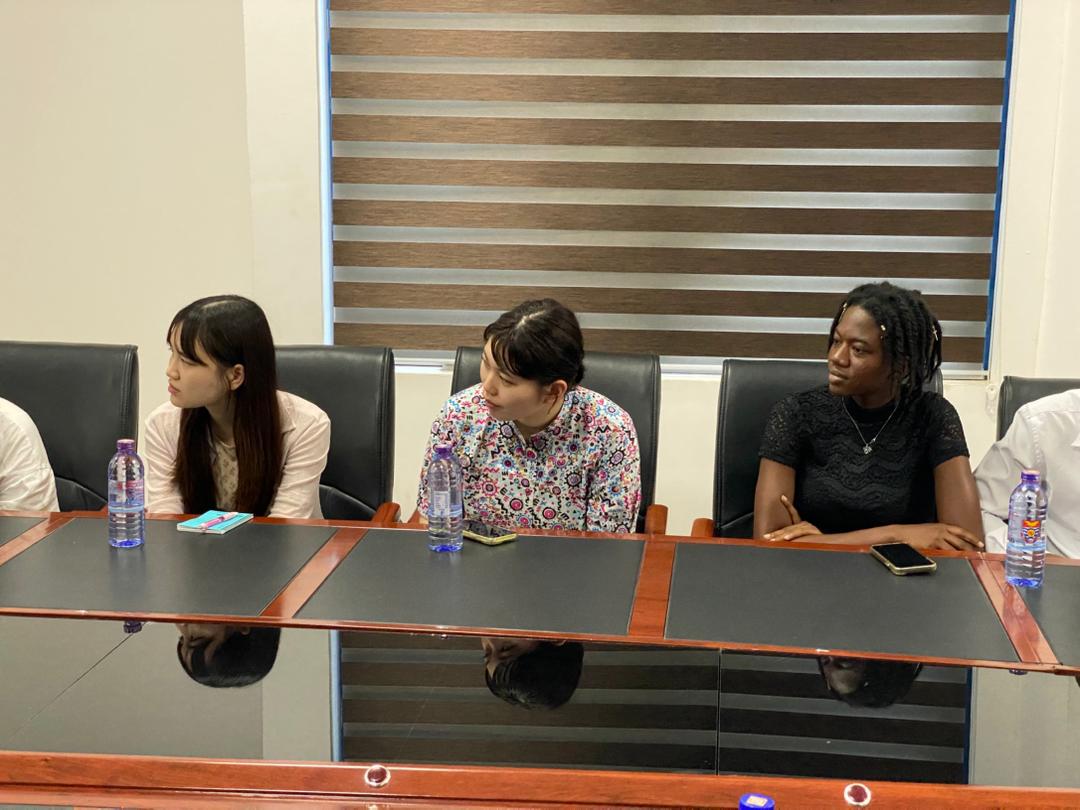
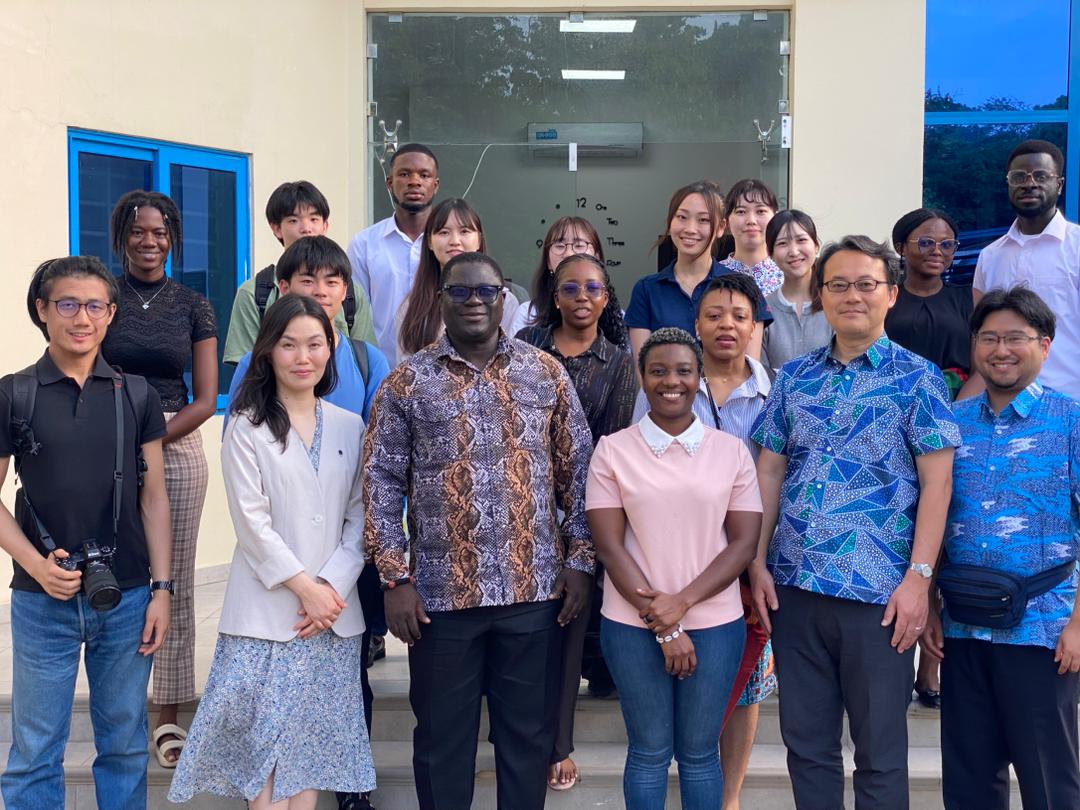
The Centre for Coastal Management-Africa Centre of Excellence in Coastal Resilience, (CCM-ACECoR), an implementing partner of a student exchange programme between the University of Cape Coast and the University of Tsukuba, Japan, recently hosted a delegation of Japanese students and facilitators as part of a Pilot Field Work under the programme. This exchange focused on addressing global environmental challenges.
This year, the University of Tsukuba’s Field Study Program for Co-Creating a Harmonious Future, brought 10 students and 3 facilitators to Ghana for practical, and cross-cultural learning.
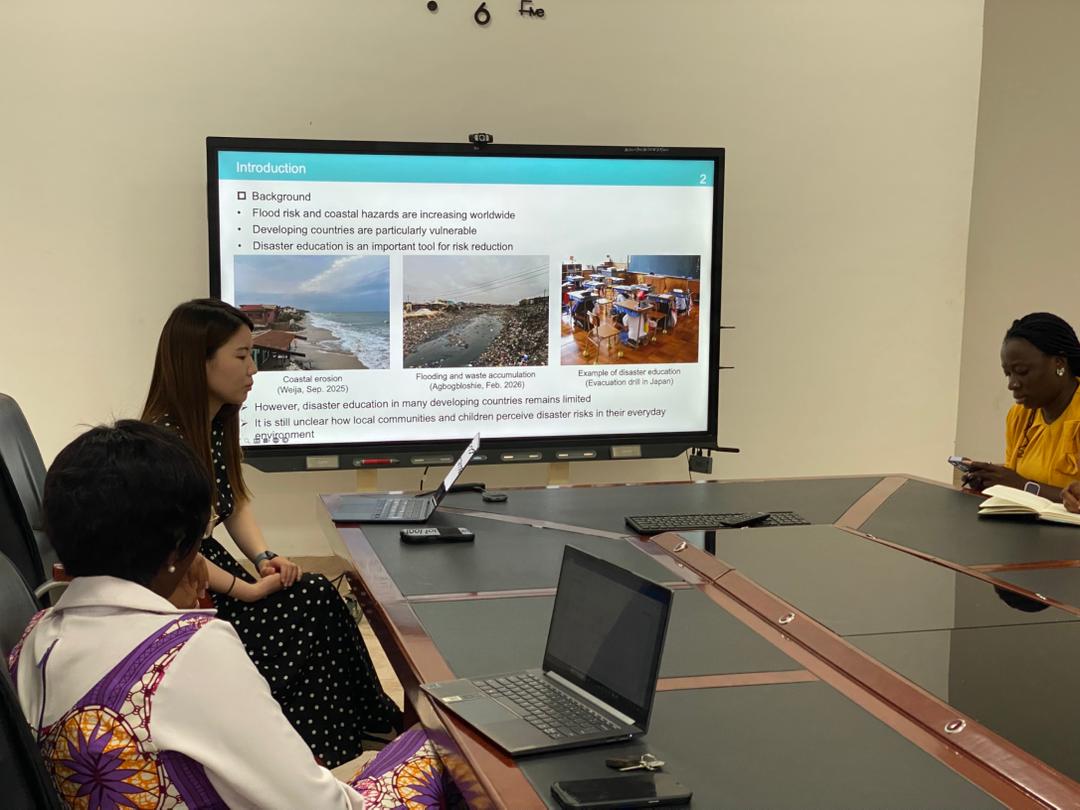
During their stay in Ghana, they spent six days (14th -19th March, 2026) with the University of Cape Coast, engaging in academic, cultural and recreational activities. Two of these was spent with CCM-ACECoR, where participants engaged in both classroom learning and field-based experiences.
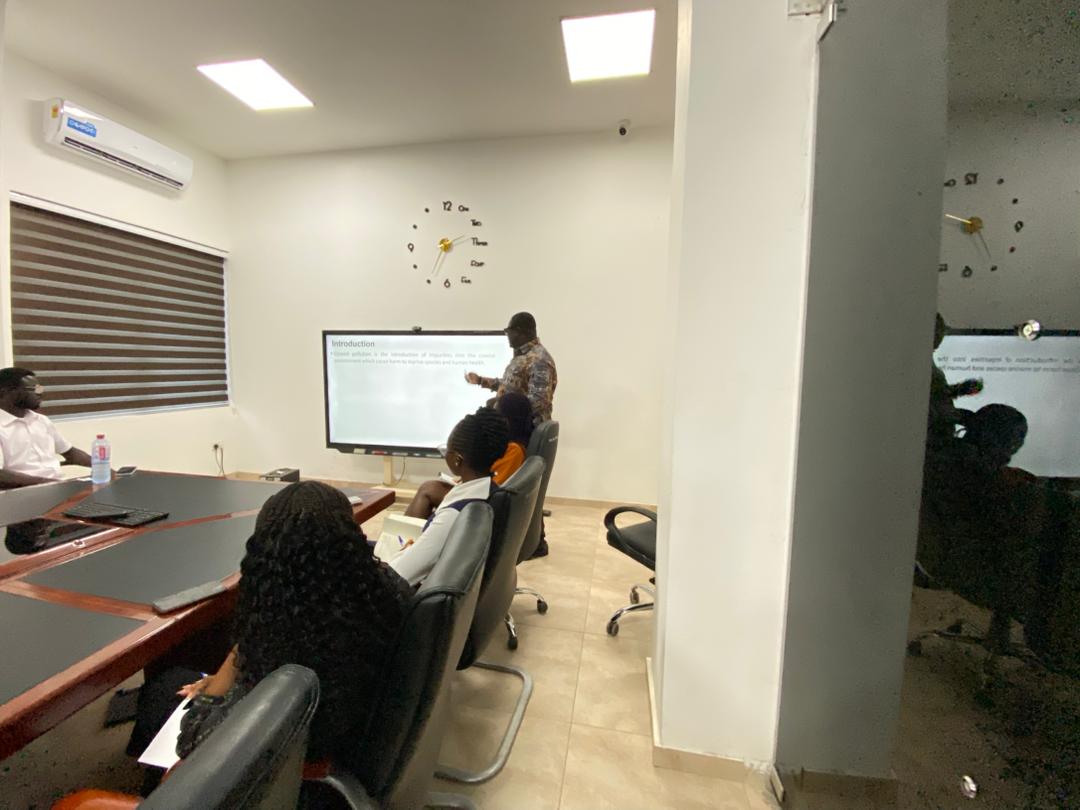
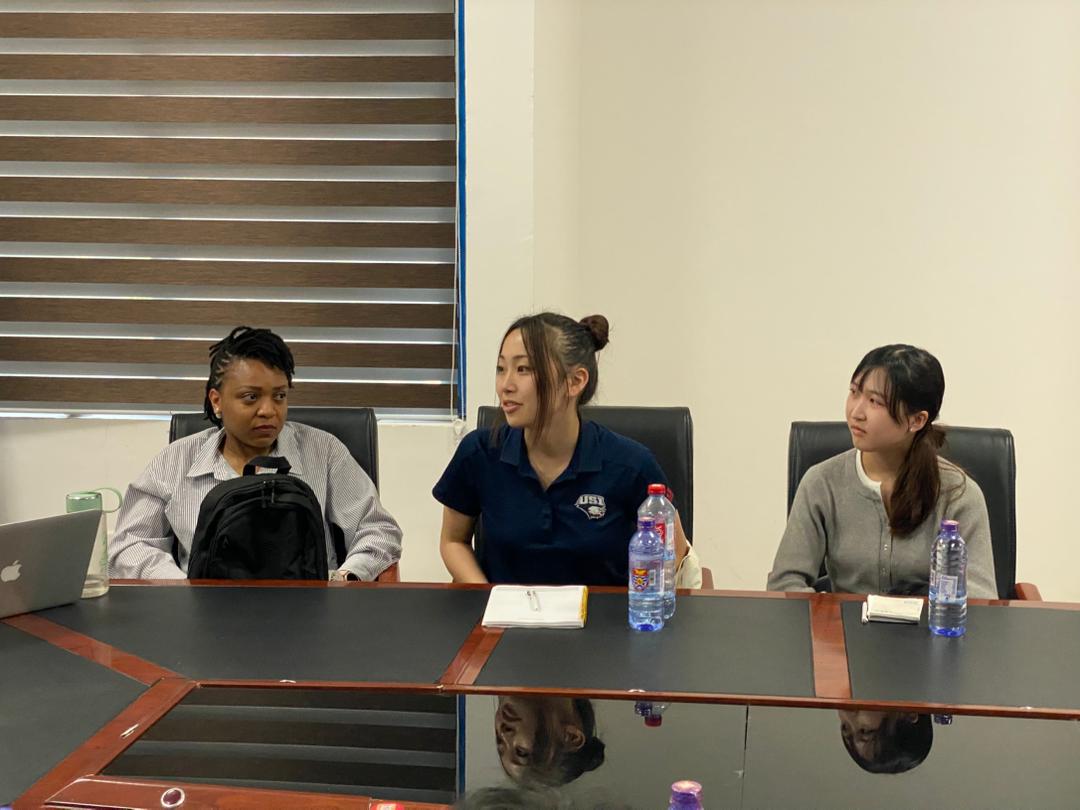
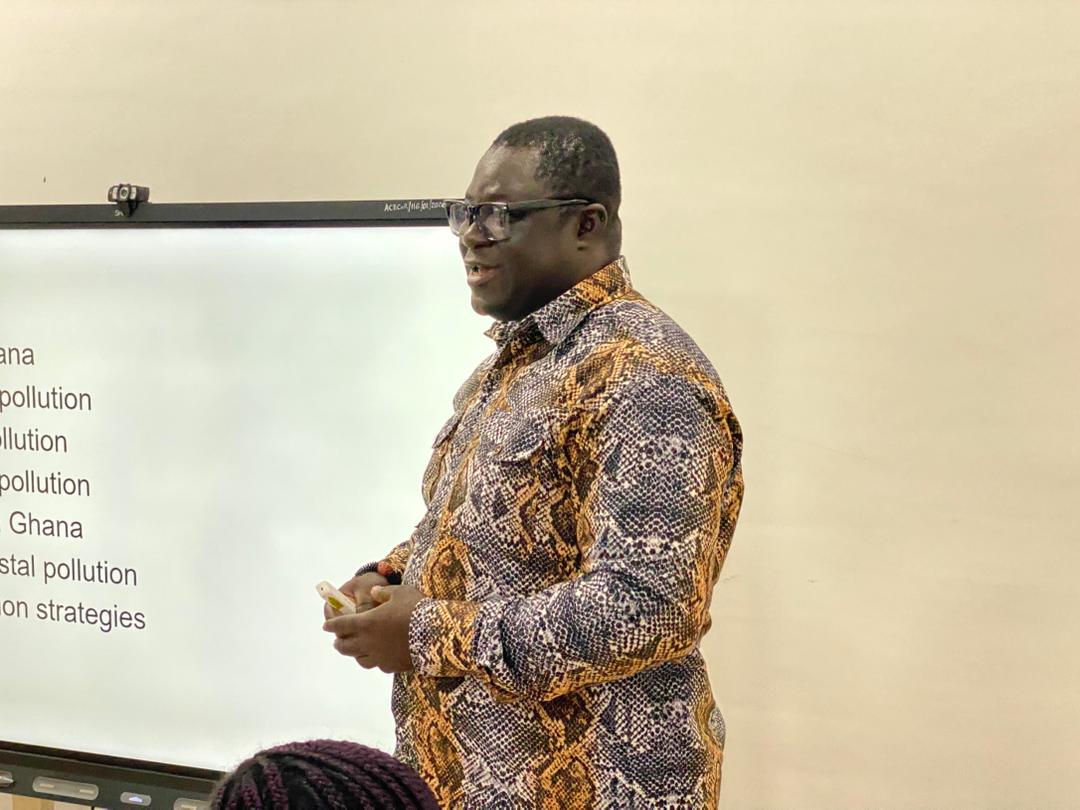
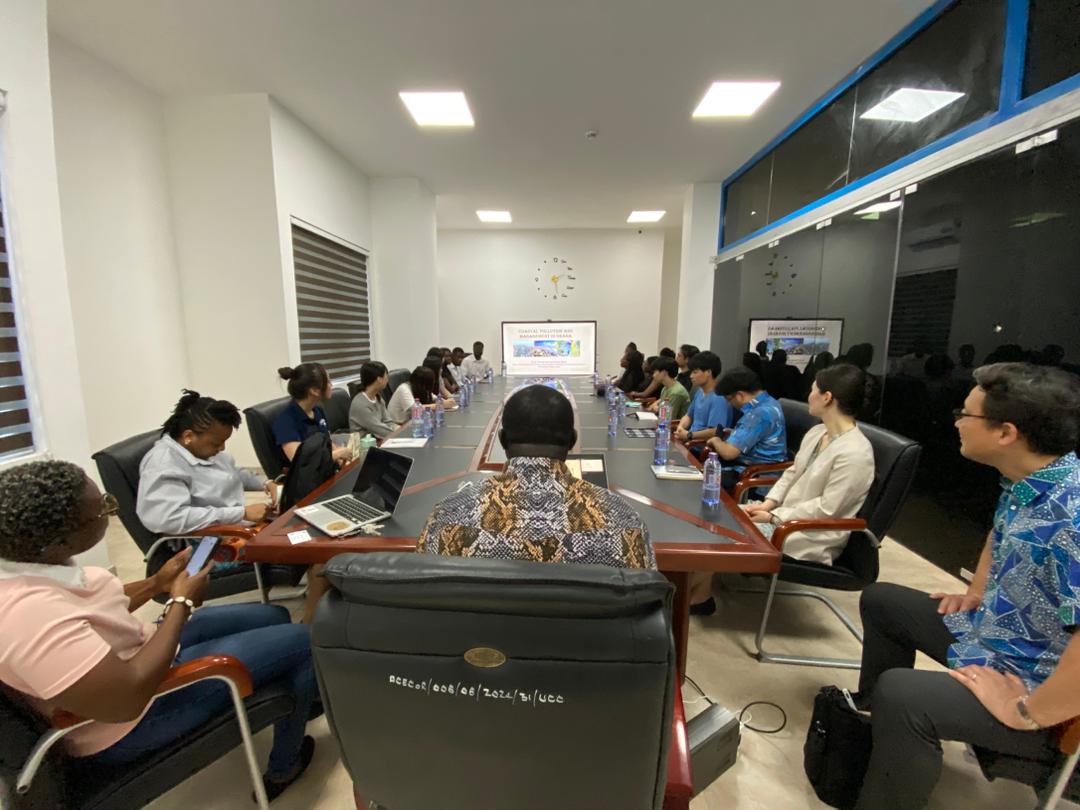
As part of these activities, the visiting team participated in an insightful and thought-provoking lecture at CCM-ACECoR delivered by Prof. Ernest Afrifa an Environmental Scientist, on the topic, Understanding Coastal Pollution and Management in Ghana. The session offered a comprehensive overview of Ghana’s coastal systems, the sources and types of pollution, as well as existing monitoring and management strategies.
During the lecture, Prof. Afrifa explained that although natural processes can contribute to pollution, the most significant challenges are largely driven by human activities. He highlighted how everyday actions such as improper waste disposal, plastic pollution, unsustainable industrial practices and illegal mining are gradually degrading marine and coastal environments.
Particular attention was drawn to the growing impact of irresponsible mining activities, which have already degraded many of Ghana’s river bodies and are increasingly posing a threat to coastal and marine ecosystems.
The session encouraged active engagement and discussion, allowing students to reflect on the realities of coastal pollution both globally and within the Ghanaian context.
To complement the classroom experience, the students embarked on a guided field visit to the Fosu Lagoon and Elmina, coordinated by Ms. Ivy Akuoko, an Assistant Research Fellow at CCM-ACECoR. The field trip provided participants with firsthand exposure to coastal pollution and it’s impacts deepening their understanding of the challenges faced by coastal communities.
Last modified