

Image
Posted On
Jeudi 15 octobre 2026 - 20:42
Corps
A three-day Ghana Ocean Accounts Roadmap Workshop has just ended, which brought together government officials, researchers and development partners to develop a roadmap for Ocean Accounts for the country. Specifically, the workshop sought to agree on policy and community priorities that Ocean Accounts need to support; map information, data and governance requirements and agree on the key decisions for the roadmap. The workshop was convened by the SDG’s Advisory Unit at the Office of the President, University of Cape Coast and the Global Ocean Accounts Partnership.
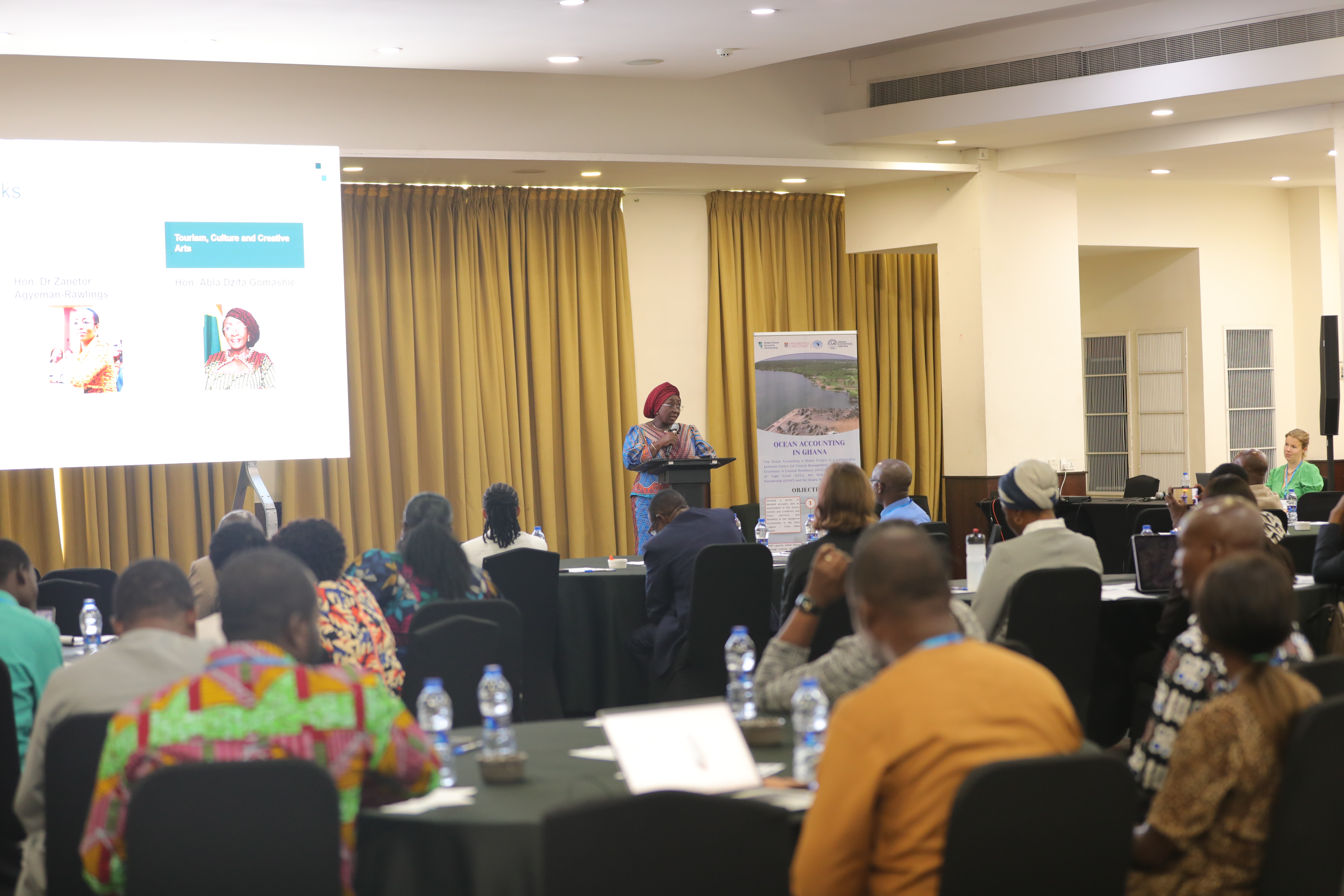
Speakers at the opening of the workshop included the Minister for Environment, Science and Technology, Hon. Dr. Zanetor Agyeman-Rawlings, Minister for Tourism, Culture and Creative Arts, Hon. Abla Dzifa Gomashie and Mr. Fred Antwi-Boadu, Coordinator of the Blue Economy Secretariat on behalf of the Minister of Fisheries and Aquaculture Development.
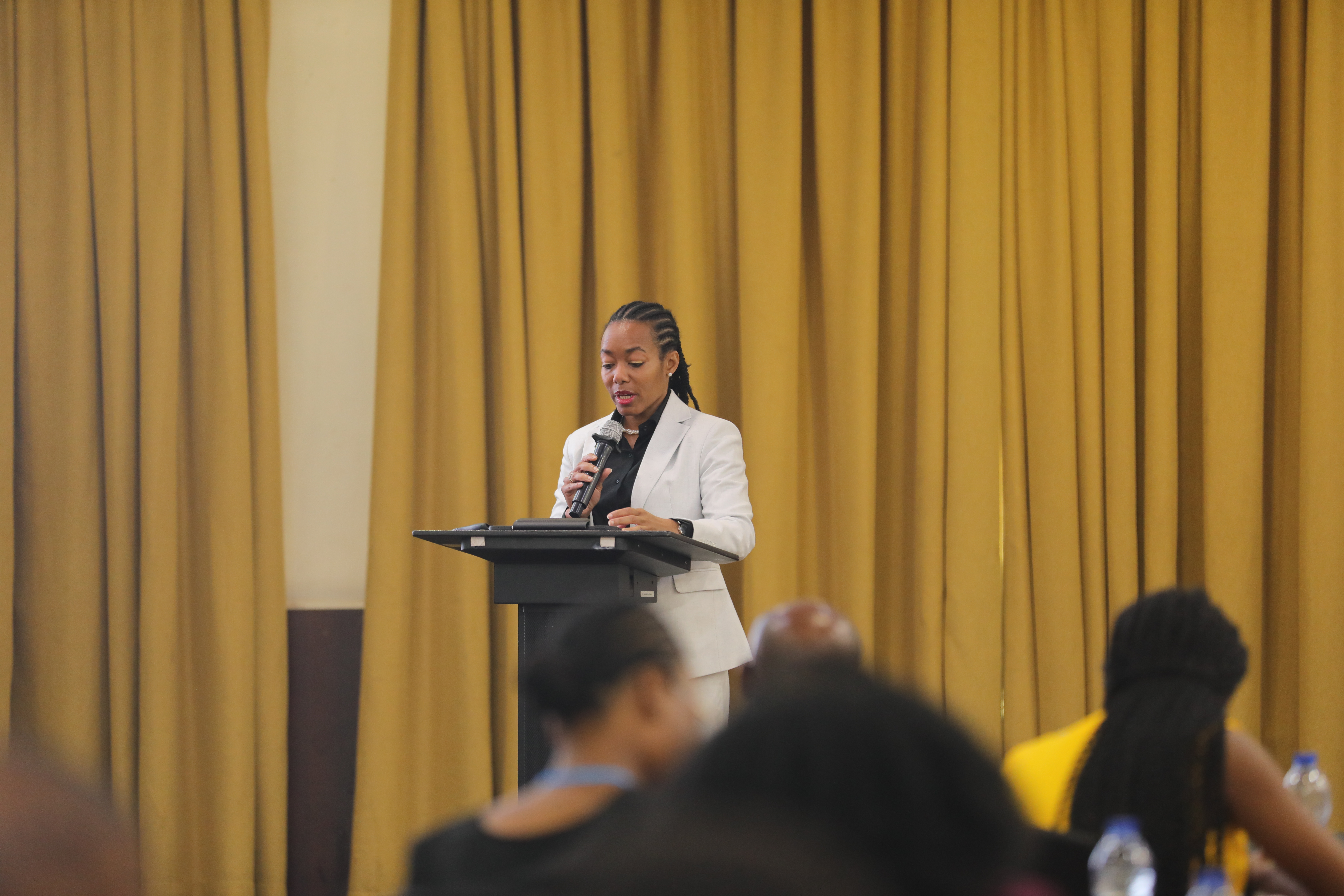
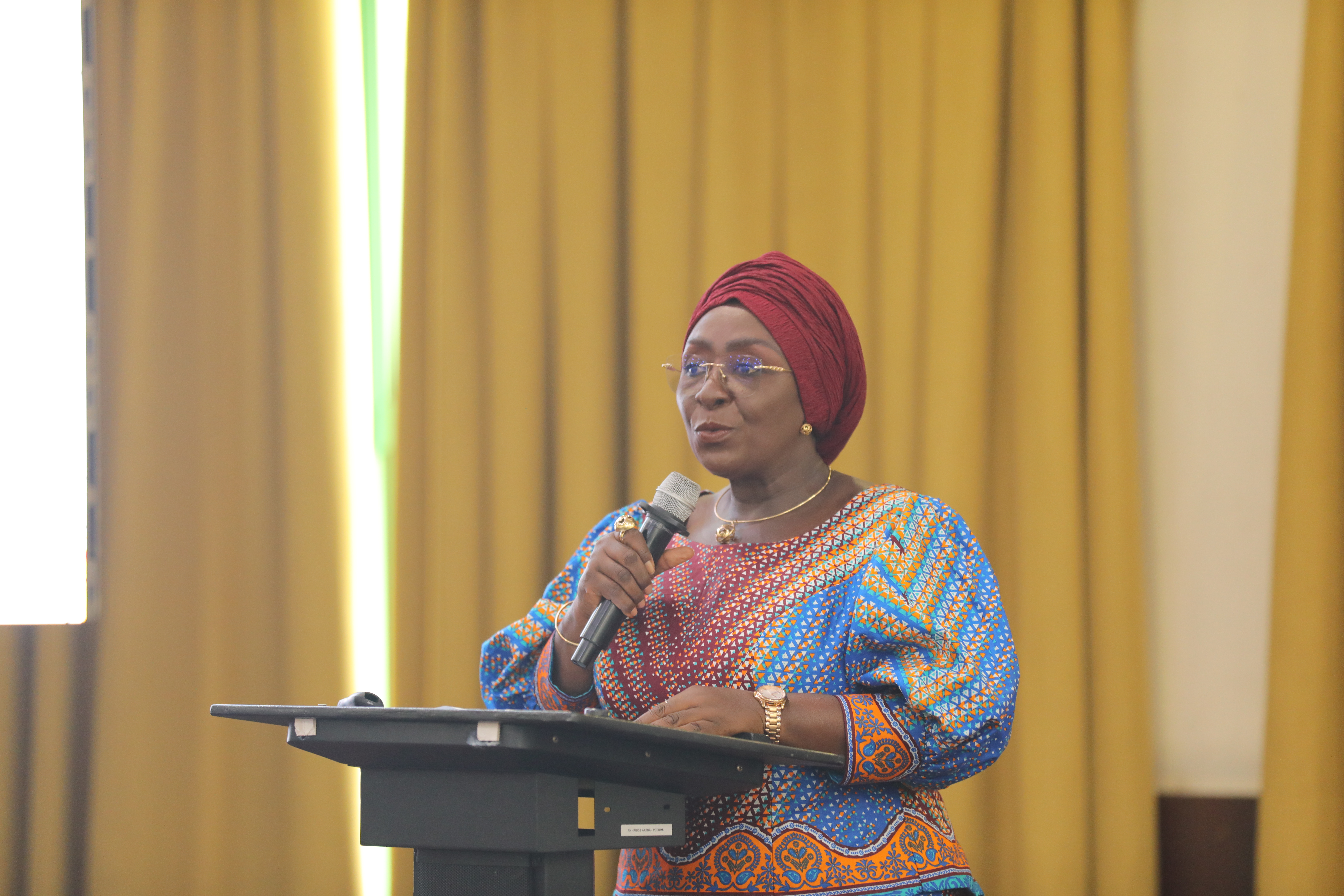
The speakers indicated their support for the introduction of ocean accounts into government decision-making highlighting that it would connect fragmented environmental, economic and social data to provide a clearer picture of the ocean’s contribution to Ghana’s development. They stressed the importance of data for protecting livelihoods, strengthening food security and improving fisheries management and called for the incorporation of coastal tourism, cultural heritage and traditional knowledge into the roadmap, noting that coastal erosion and environmental degradation threaten communities, historic sites and tourism-dependent livelihoods.
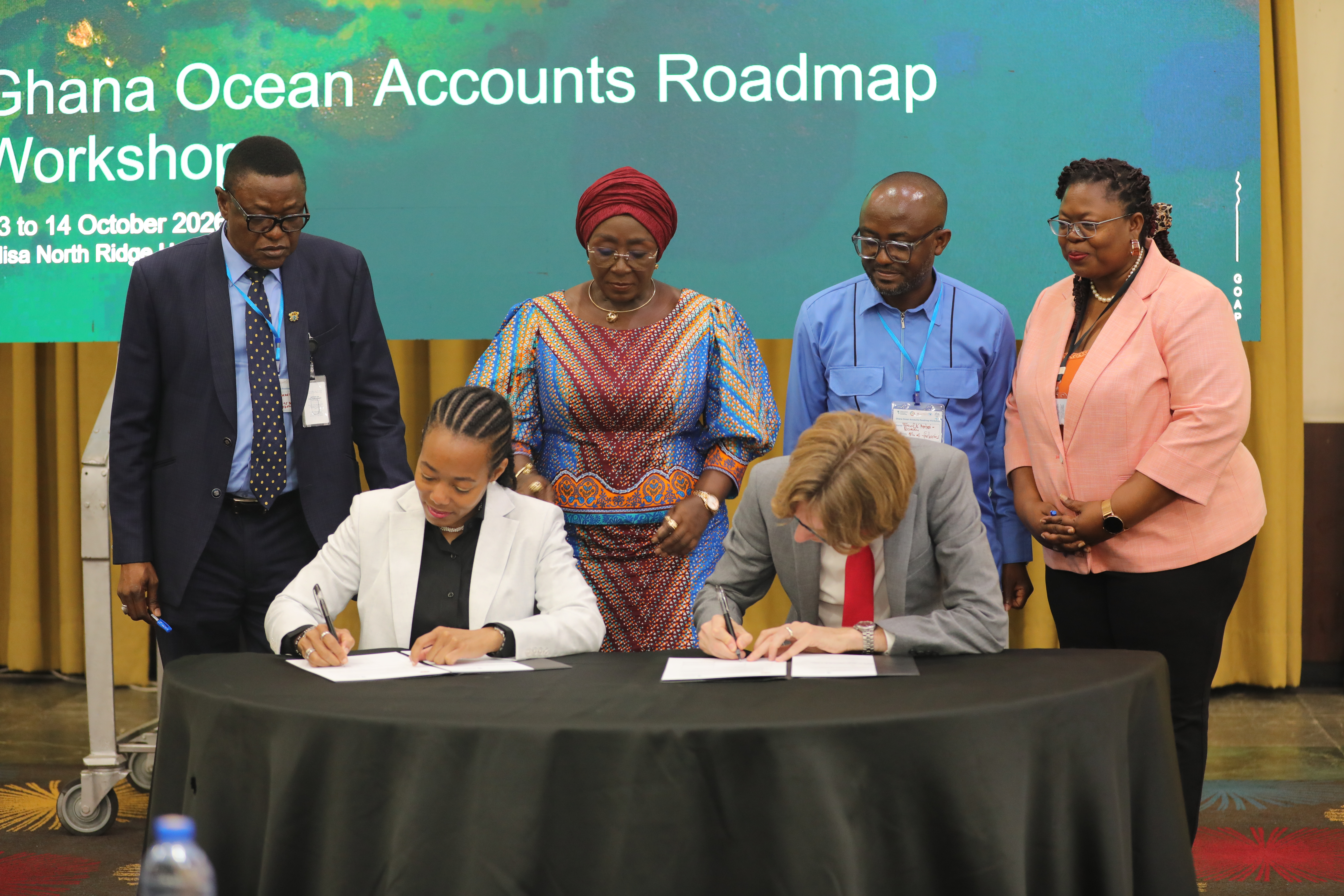
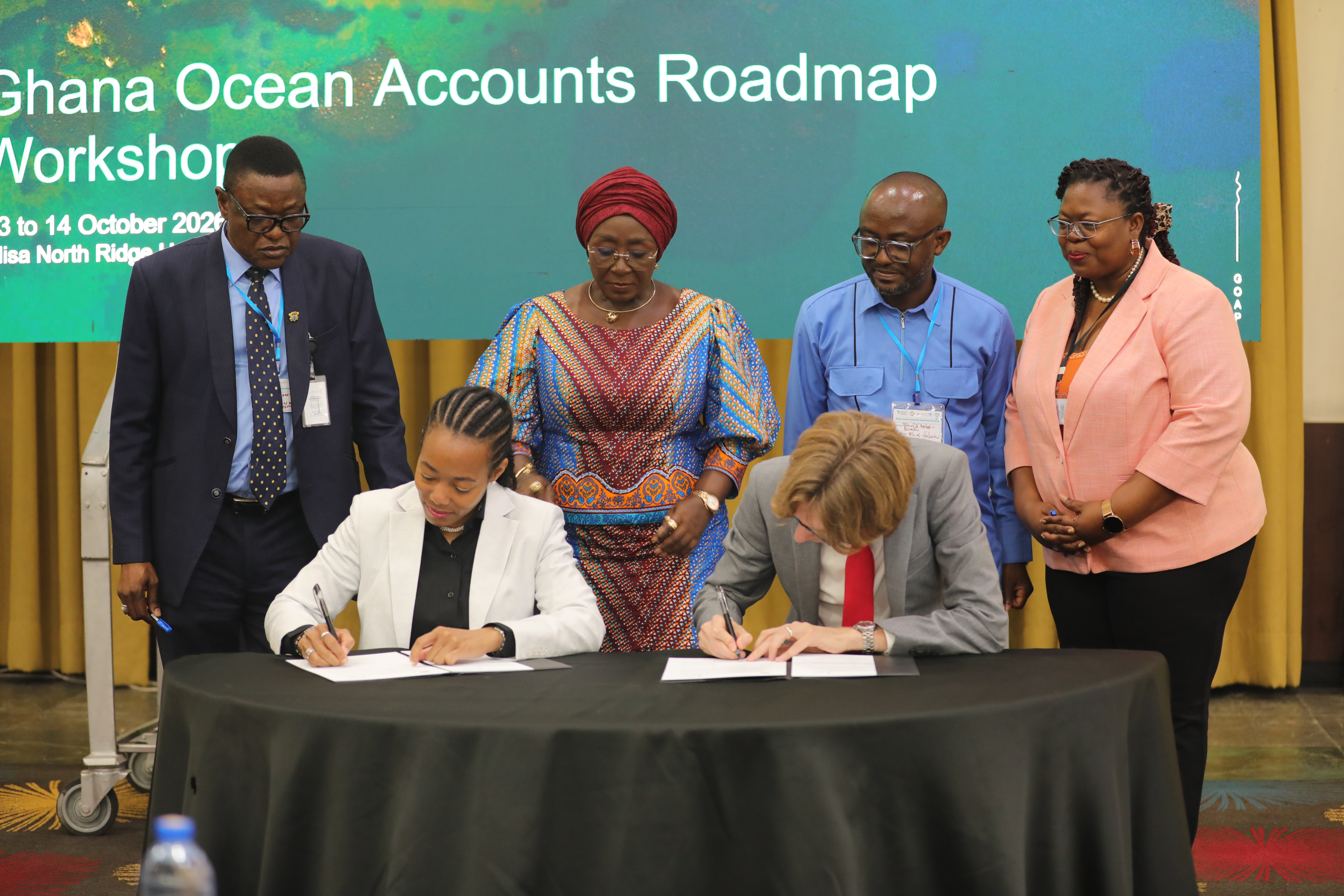
The workshop also featured a ceremonial signing of a Memorandum of Understanding between the Global Ocean Accounts Partnership and the SDGs Advisory Unit, represented by Hon. Dr. Zanetor Agyeman-Rawlings, for Ghana. This was to formalize collaboration towards strengthening the country’s ocean accounting efforts.
Over the three days, presentations were made introducing participants to ocean accounts, the Ghana ocean accounts journey, the Sustainable Ocean Plan and the Blue Economy Strategy. Through interactive break-out sessions, participants also were given the opportunity to identify policy priorities, data needs and availability and propose potential governance model for ocean accounts in Ghana.
Dernière modification