

Image
Posted On
Thursday, August 13, 2026 - 11:54
Body
Ghana’s coastline is more than a boundary between land and sea; it is home to communities, livelihoods, ecosystems and economic activity. Yet, across the approximately 550km coastline, coastal erosion, sea-level rise, storm surges and the degradation of near-shore ecosystems are creating growing risks for people and the environment.
In response, Ghana and Japan are working together through the Integrated Sediment and Environmental Management Project for Sustainable Coastal Conservation, Disaster Risk Reduction and Livelihood Improvement (ISEMAC-G). The partnership brings together the University of Cape Coast, the University of Tokyo, JICA, government institutions and other partners to move coastal management beyond fragmented interventions towards an integrated, evidence-based approach.
On August 12, 2026, the Second Joint Coordinating Committee (JCC) Meeting of the (ISEMAC-G) Project was held, providing a platform for stakeholders to review the progress of the project, assess activities undertaken by the various working groups and discuss priorities for its continued implementation.
Speaking at the opening session, Vice-Chancellor of the University of Cape Coast, Prof. Denis Aheto, underscored the urgency of addressing Ghana’s coastal challenges, including coastal erosion, sea-level rise, storm surges and the degradation of near-shore ecosystems.
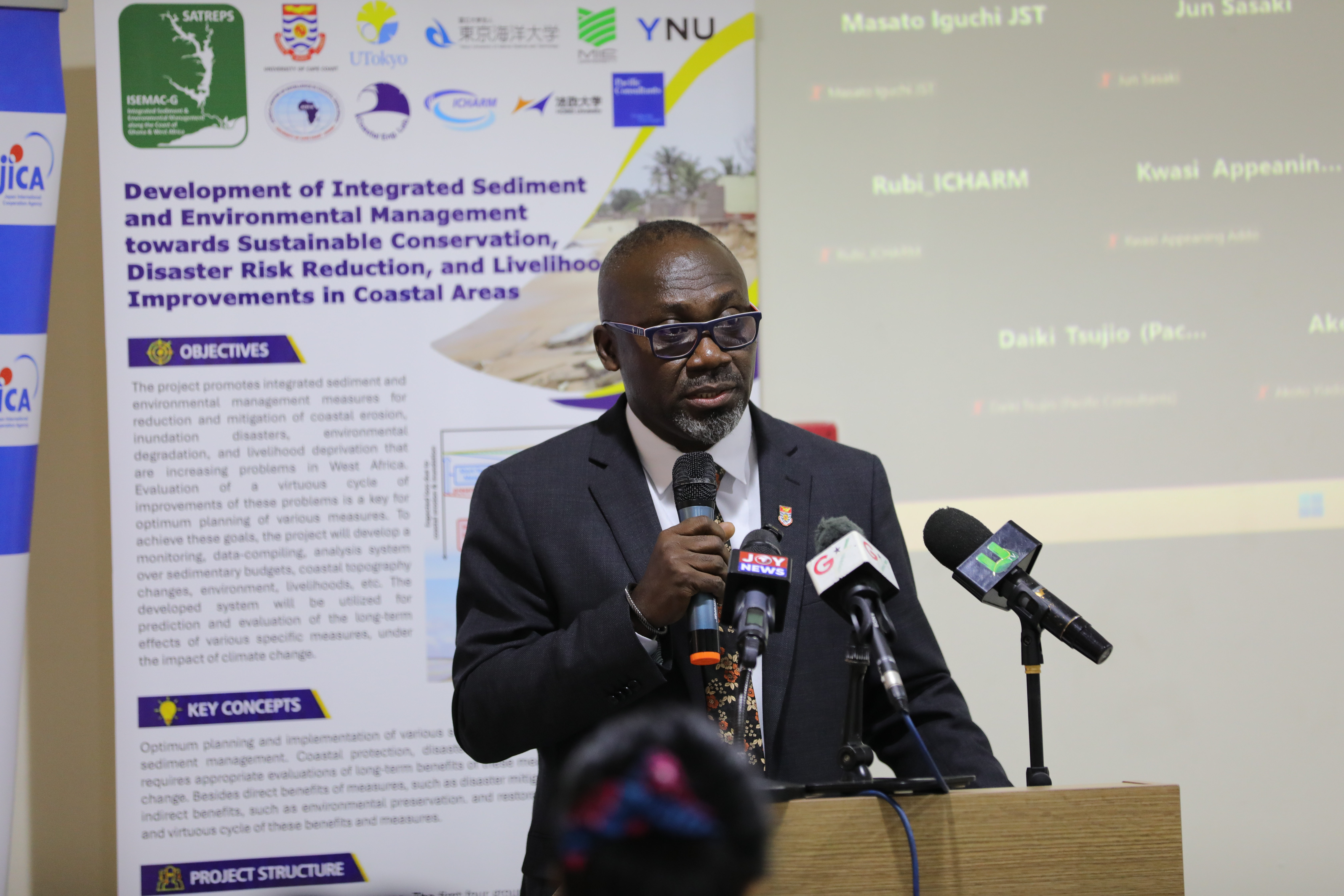
He described ISEMAC-G as a timely intervention to protect coastal communities and livelihoods, noting that the project’s value would not be measured solely by the volume of data collected, but by how effectively the data was transformed into evidence to inform policy, planning, coastal protection, disaster risk reduction and improved livelihoods.
A representative of the Embassy of Japan, Isuzu Kume commended CCM-ACECoR for its partnership with JICA in advancing scientific knowledge and practical solutions for coastal resilience in Ghana. She noted that the ISEMAC-G project forms part of Japan’s research cooperation efforts to address climate change, disaster risk reduction, environmental conservation and sustainable development.
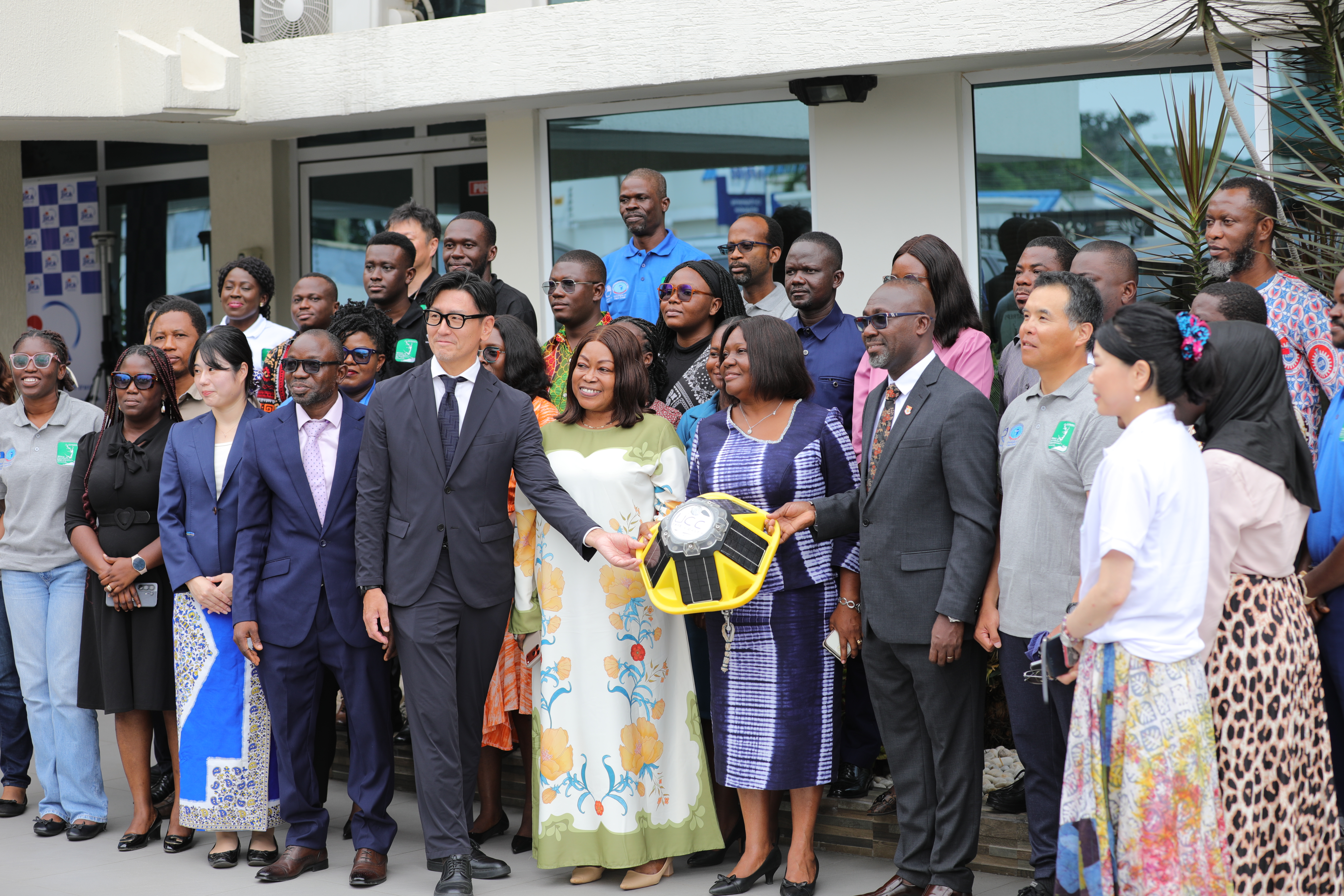
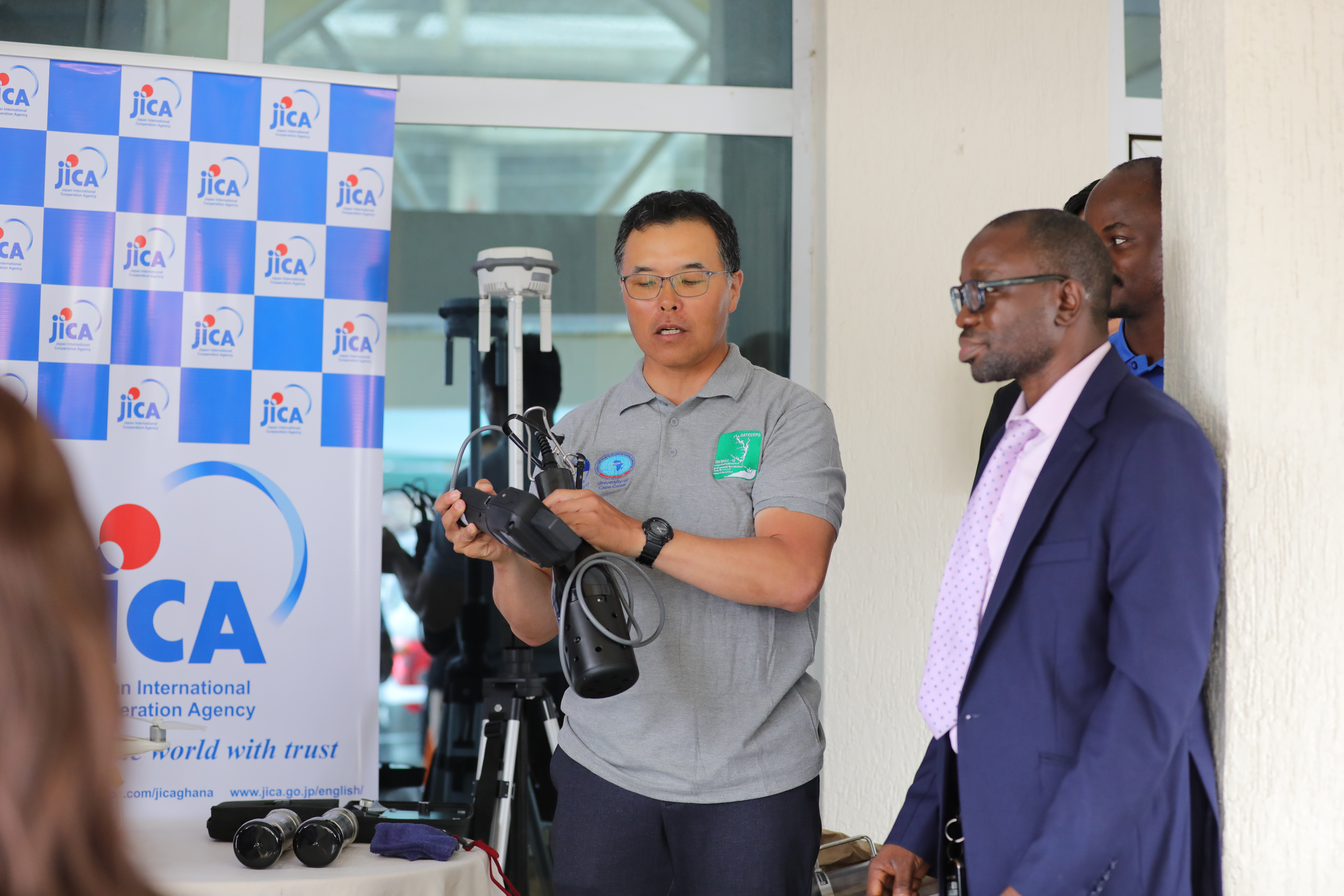
As part of strengthening the capacity of the Ghanaian research team in coastal monitoring, environmental assessment, field data collection and laboratory analysis, the Japan government handed over research equipment including four drones, a wave spotter buoy, 15 trail cameras, two RTK GPS units, a microscope, two Ekman grabs, DEFI pressure sensors and DEFI wave sensors.
The equipment, according to Isuzu Kume, is expected to support sustained data collection and research activities along Ghana’s coastline throughout and beyond the project.
During the meeting, the five ISEMAC-G Working Groups, covering shore protection and monitoring, coastal environment, coastal hazards, blue economy and social resilience, and data integration made presentations, some of which focused on shoreline and bathymetric surveys, sediment studies, water quality monitoring, remote sensing and coastal hazard assessments.
The preliminary result of the project highlights serious erosion along various sections of the coastline over the last 20 years, weak hypoxia and low salinity conditions at the Volta River mouth, the development of a 30-year coastal wave dataset showing a link between severe flooding, high ocean swell and high tides, and an assessment indicating that approximately 44 per cent of structural value in parts of Accra had been affected by coastal flooding.
The meeting also discussed funding constraints affecting the project implementation where CCM-ACECoR indicated that the available budget was insufficient to cover domestic travel and other essential activities. JICA subsequently agreed to support key costs, including travel allowances, project personnel and student assistants until the first quarter of 2027, subject to its regulations and internal approvals. JICA, however, strongly urged Ghanaian stakeholders to continue discussions on cost-sharing arrangements to ensure the sustainability of the project beyond its completion.
By combining local knowledge, scientific research, technology and international expertise, the project is laying a foundation for coastal solutions that can strengthen resilience in Ghana and offer lessons for other countries facing similar coastal pressures. Because protecting Ghana’s coast is not simply about defending the shoreline. It is about protecting lives, livelihoods, ecosystems and the future of coastal communities.
The next JCC meeting is tentatively scheduled for August 2027 in Cape Coast or Accra.
Last modified