

Image
Posted On
Monday, February 9, 2026 - 13:18
Body
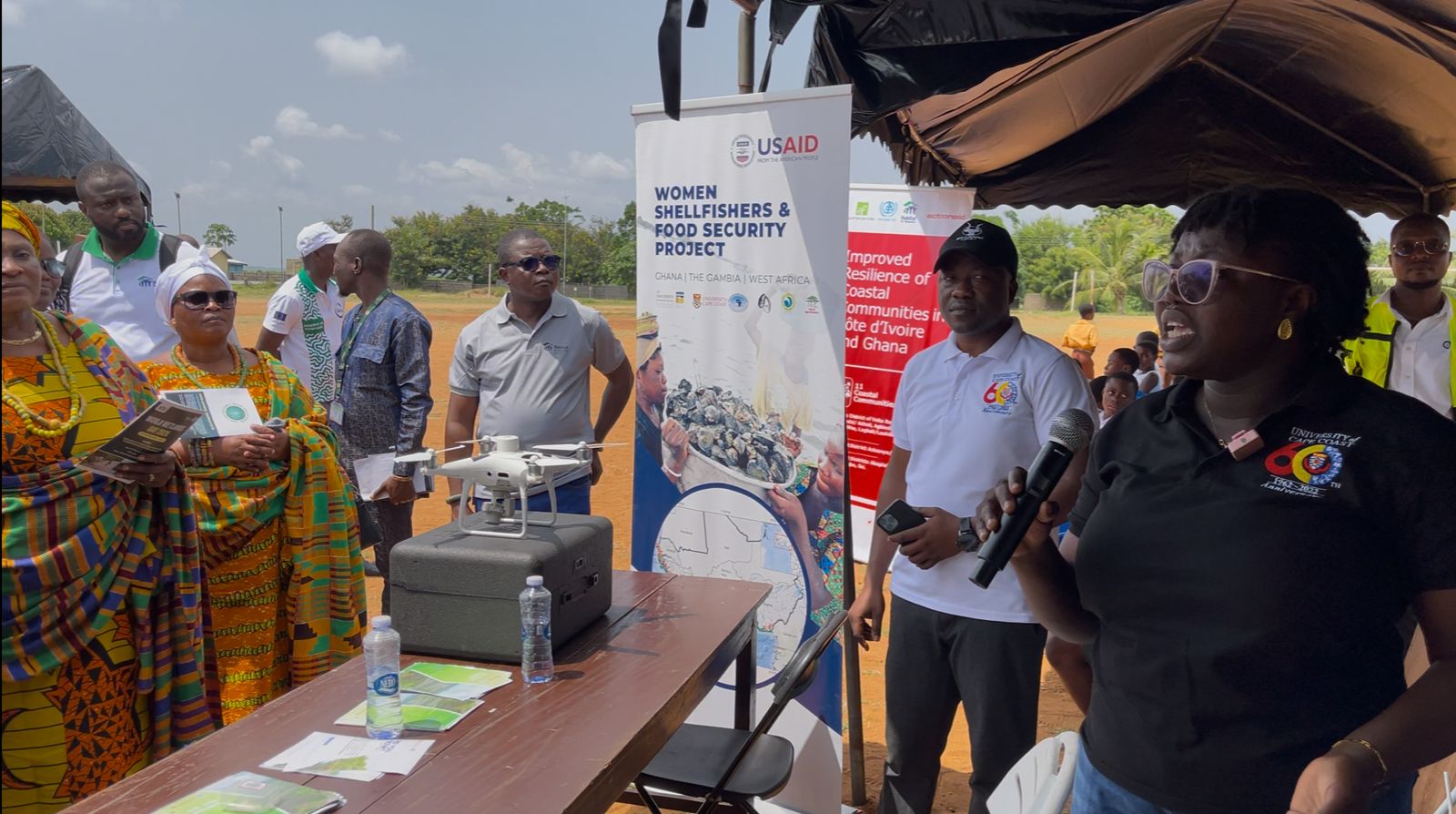
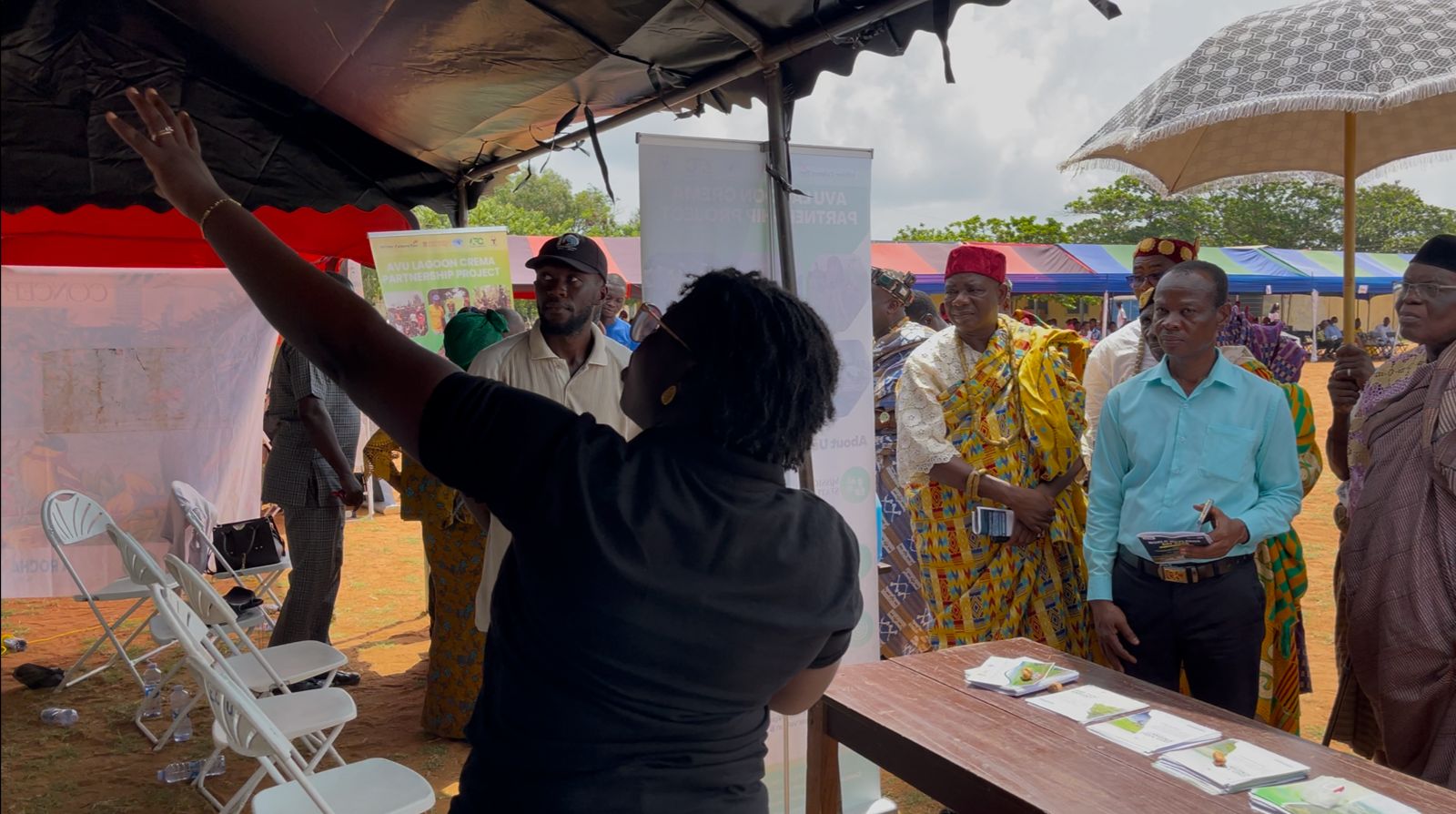
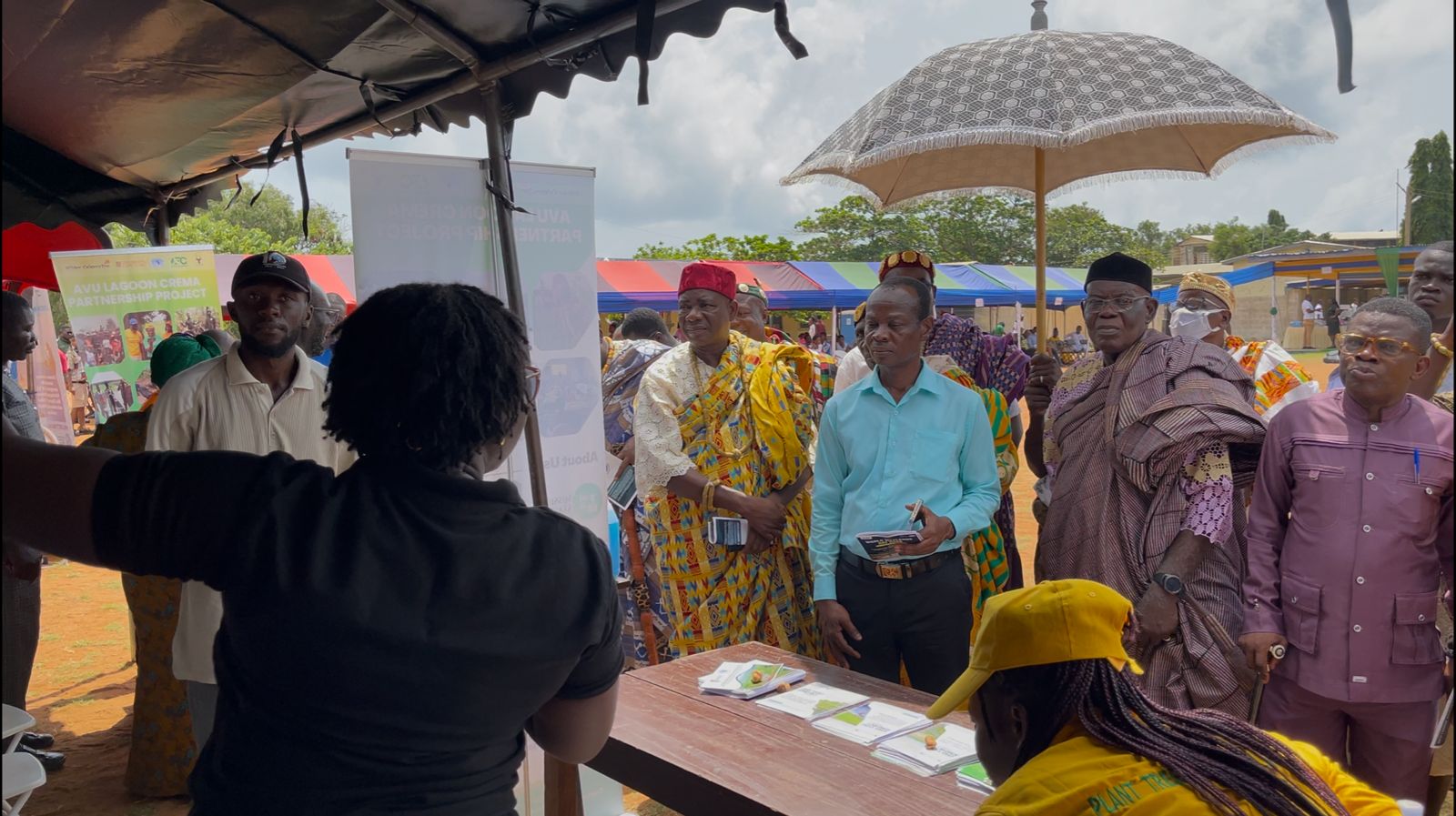
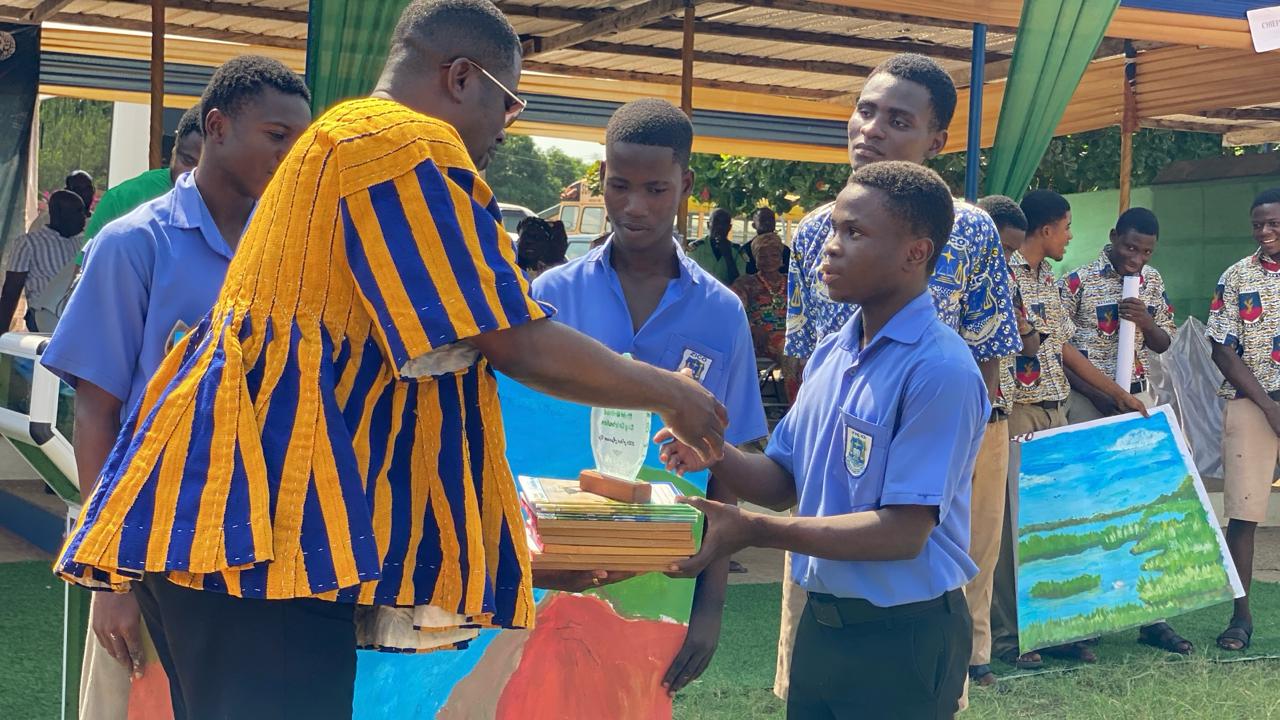
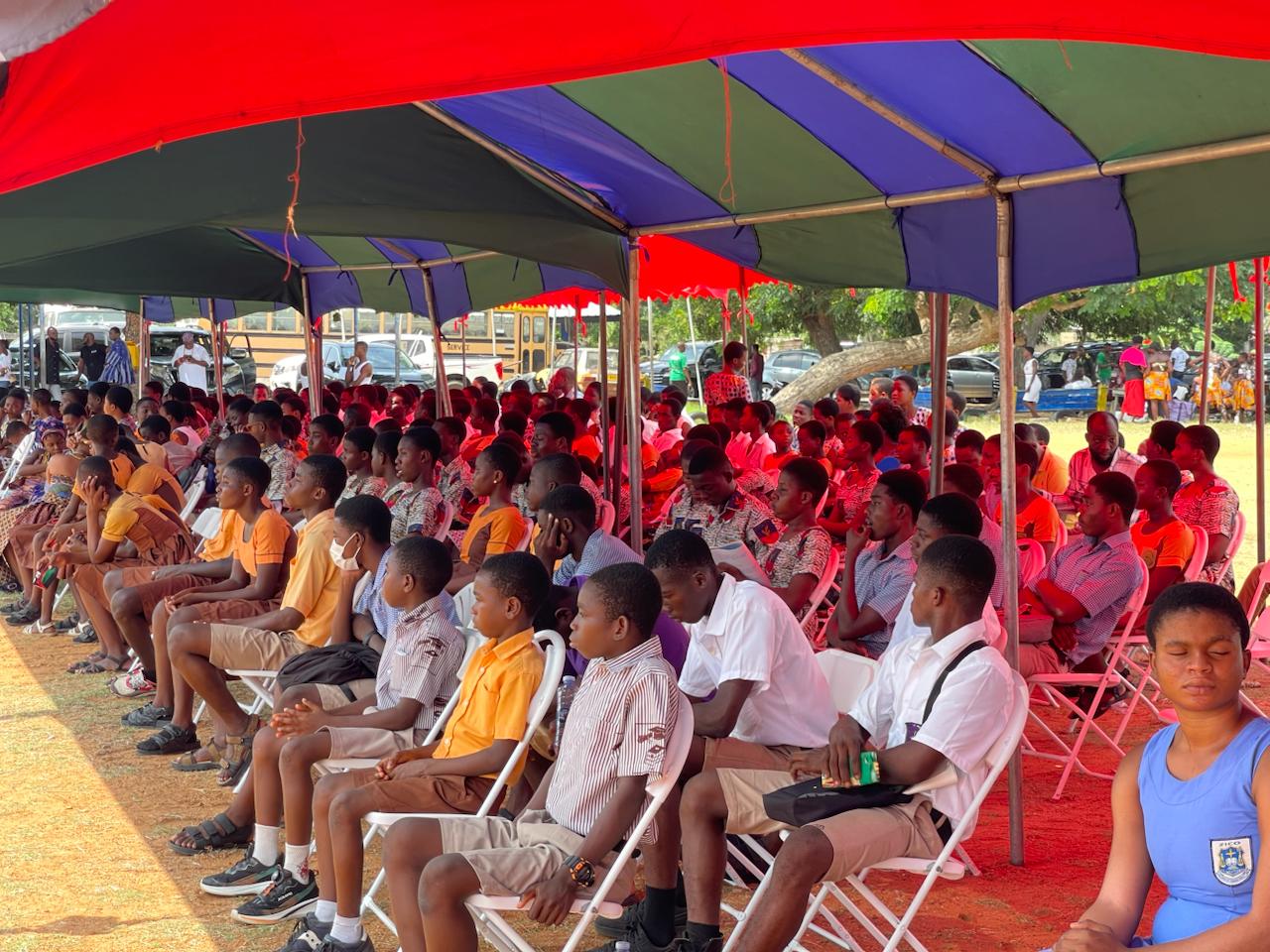
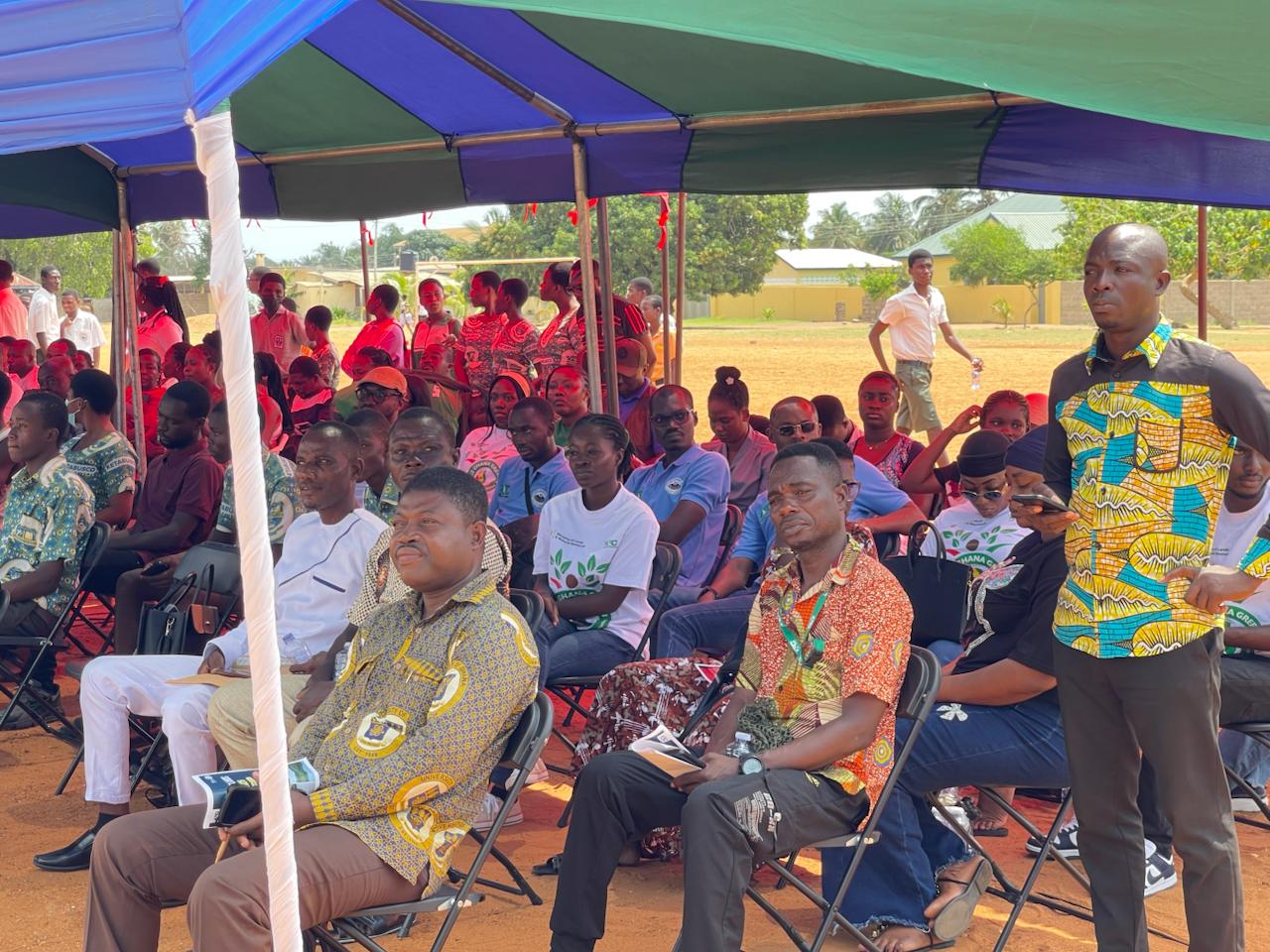
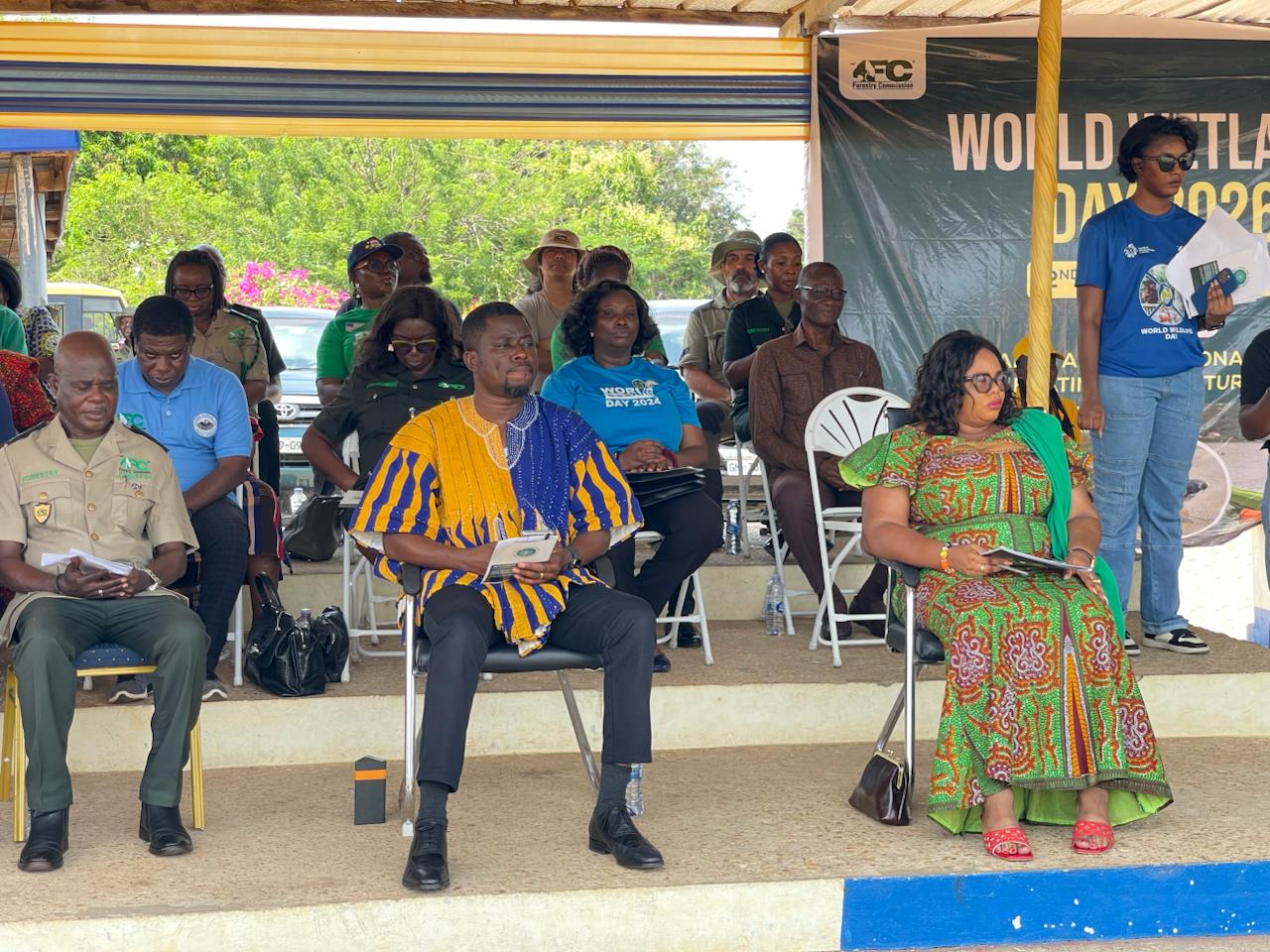
The Centre for Coastal Management - Africa Centre of Excellence in Coastal Resilience (CCM-ACECOR) of the University of Cape Coast participated actively in Ghana’s 2026 national celebration of World Wetlands Day, organised by the Wildlife Division of the Forestry Commission of Ghana in Anloga on the 6th February. The event highlighted the ecological, economic, and cultural significance of wetlands and underscored the critical role of traditional knowledge and community involvement in sustaining these ecosystems. CCM-ACECOR’s participation demonstrated the Centre’s commitment to integrating scientific research, policy engagement, and practical conservation efforts in Ghana’s wetland landscapes.
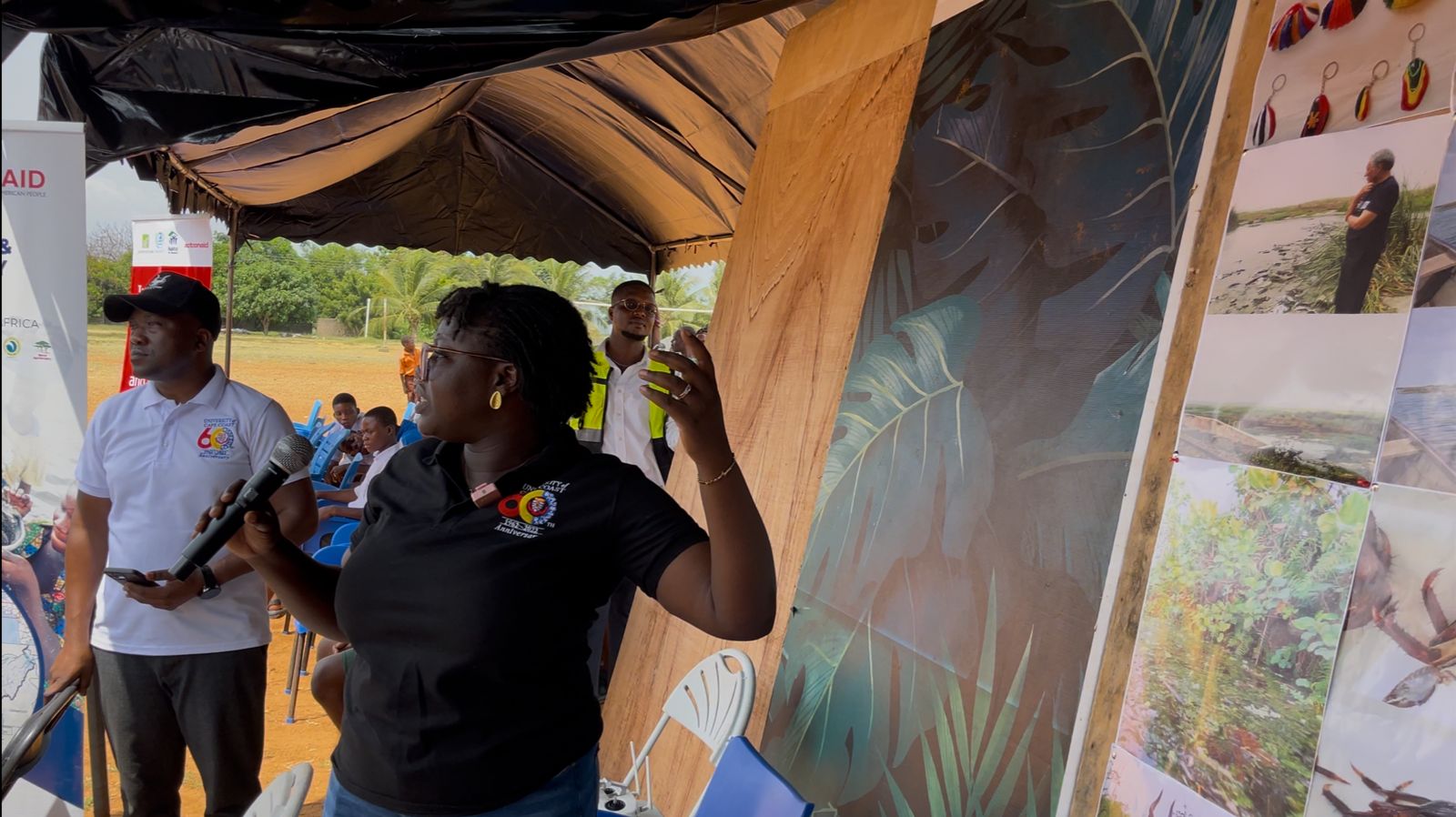
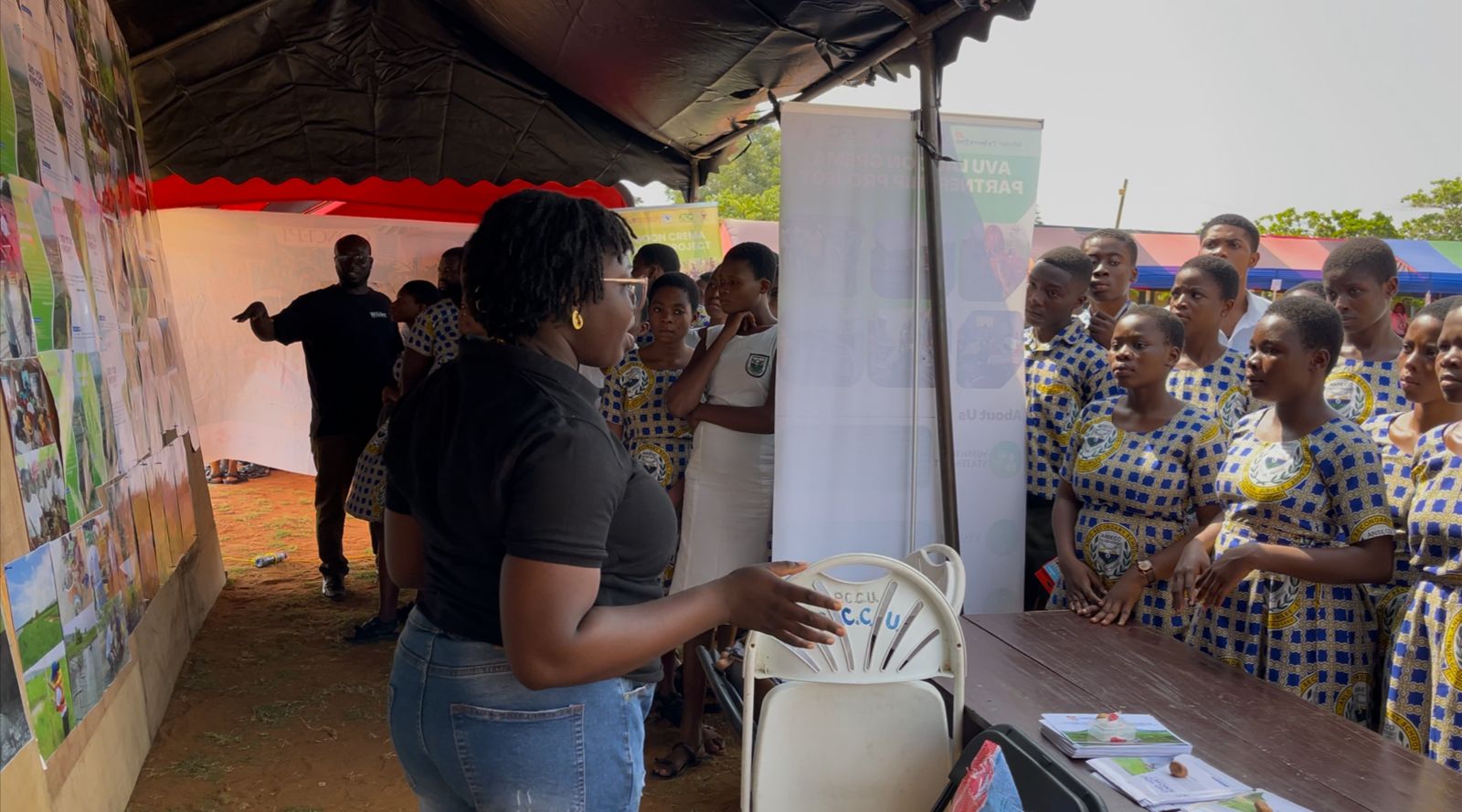
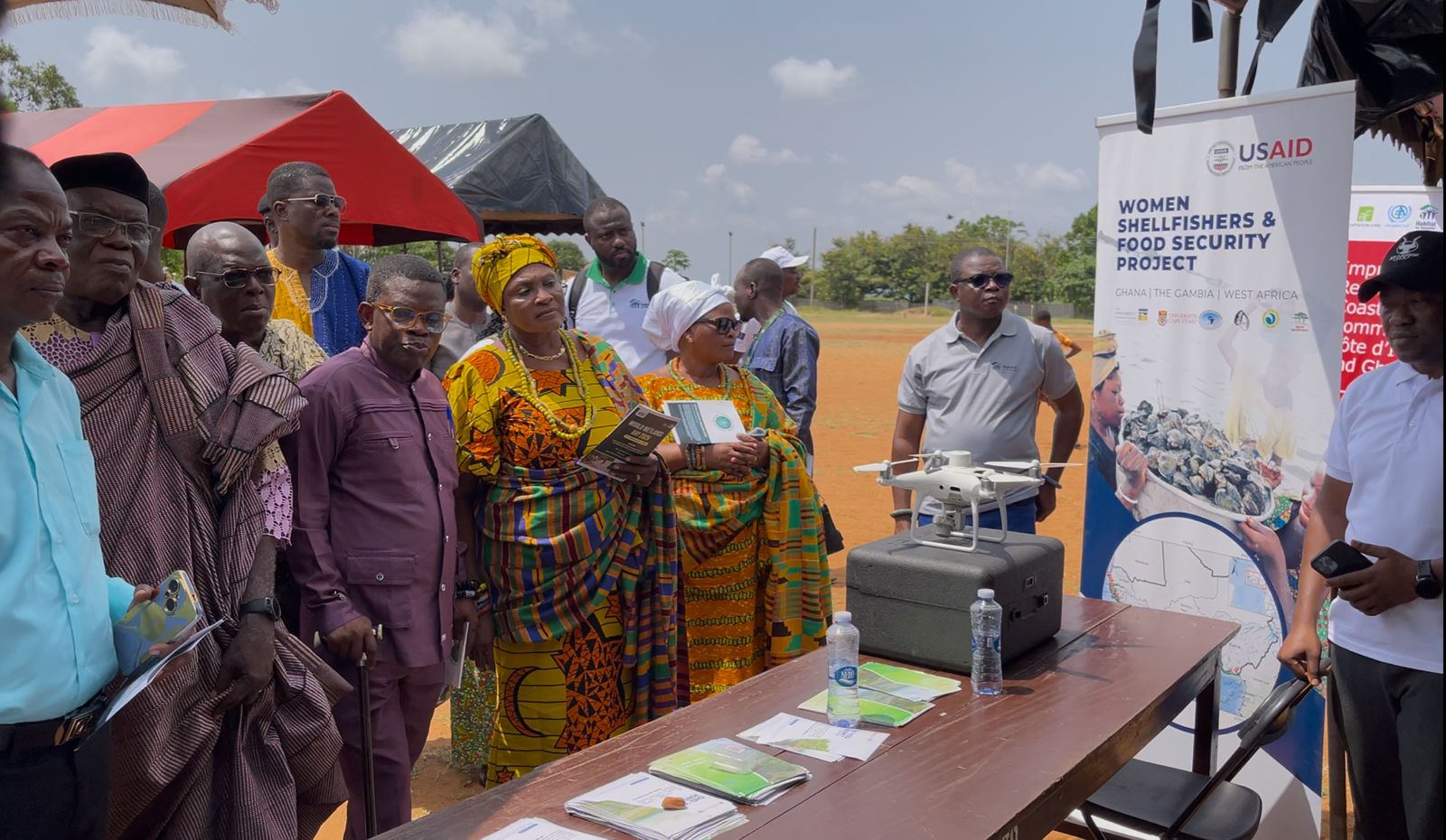
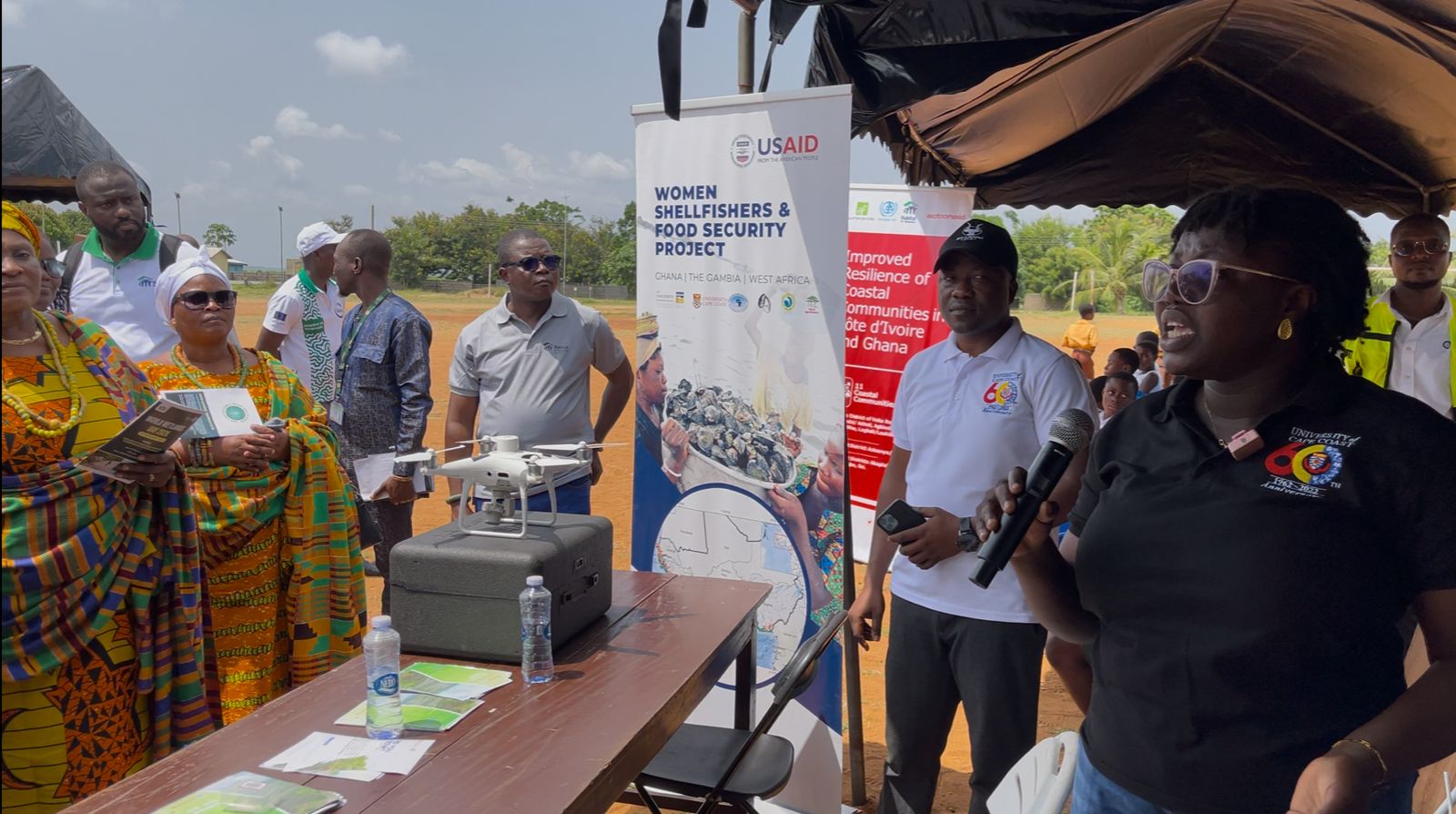
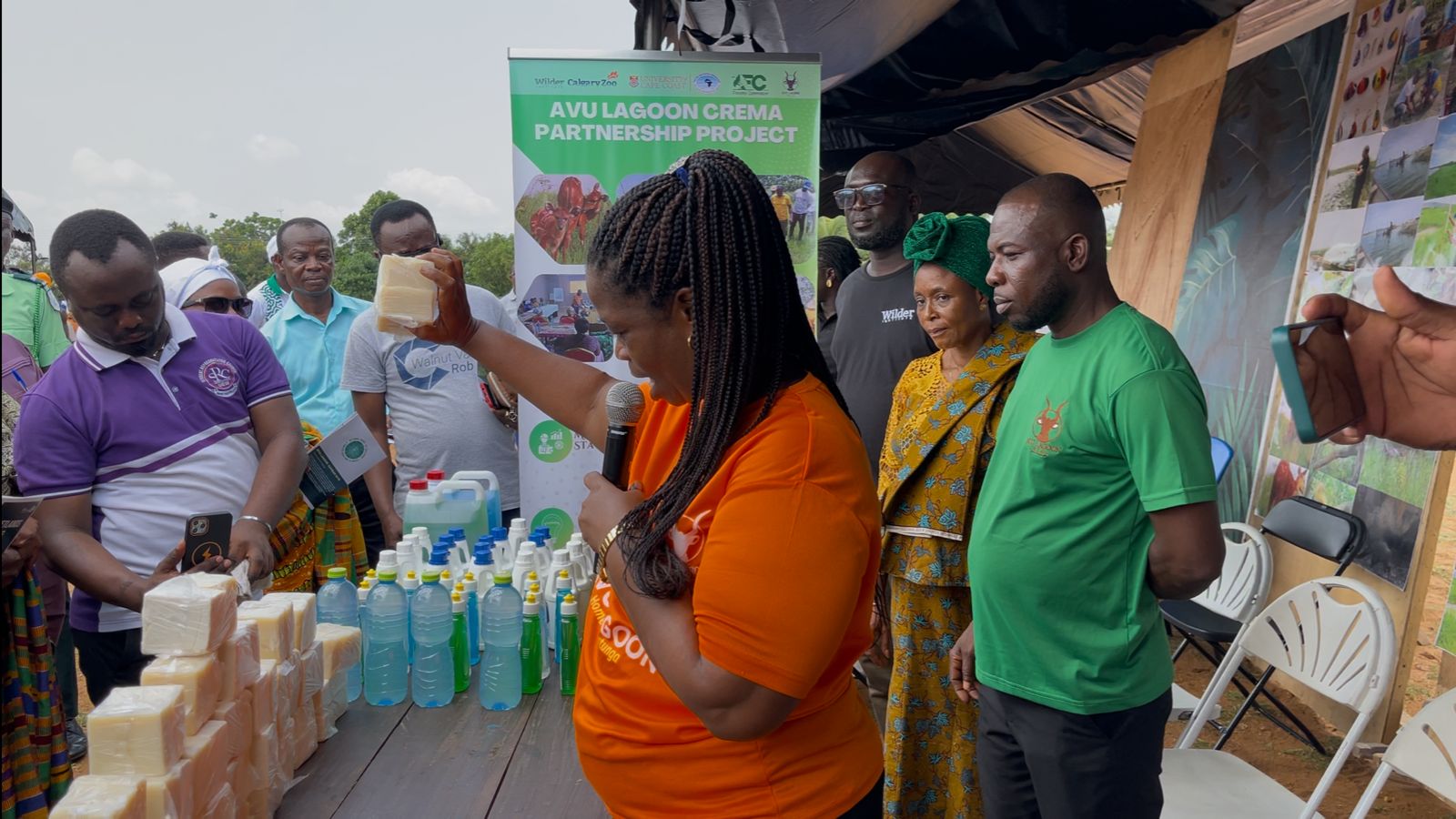
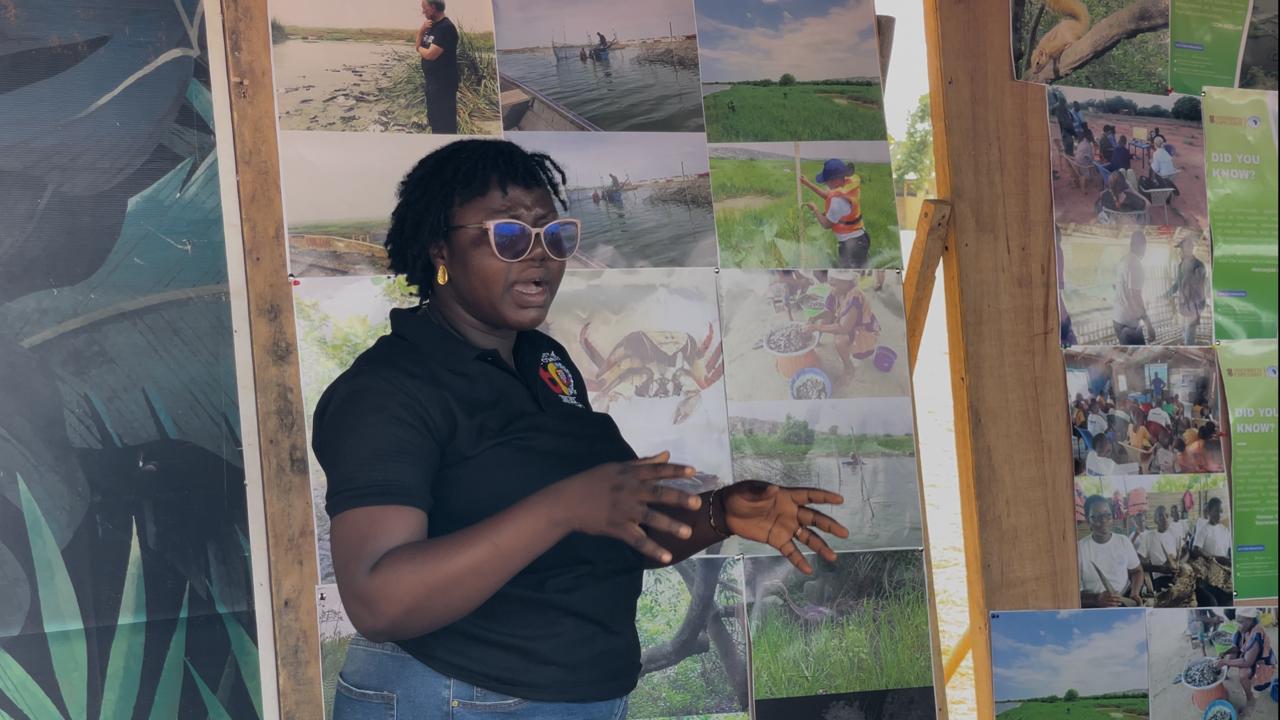
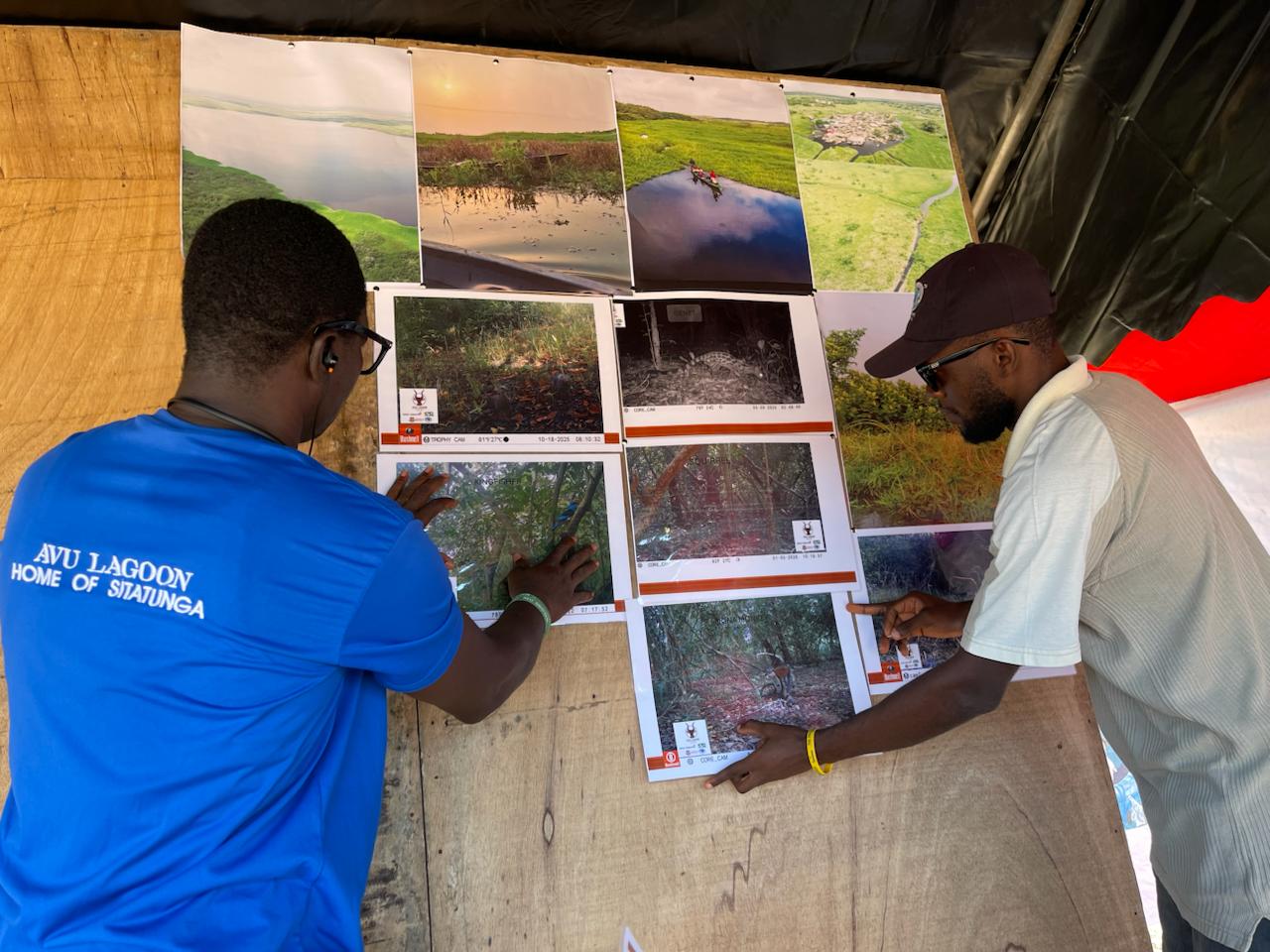
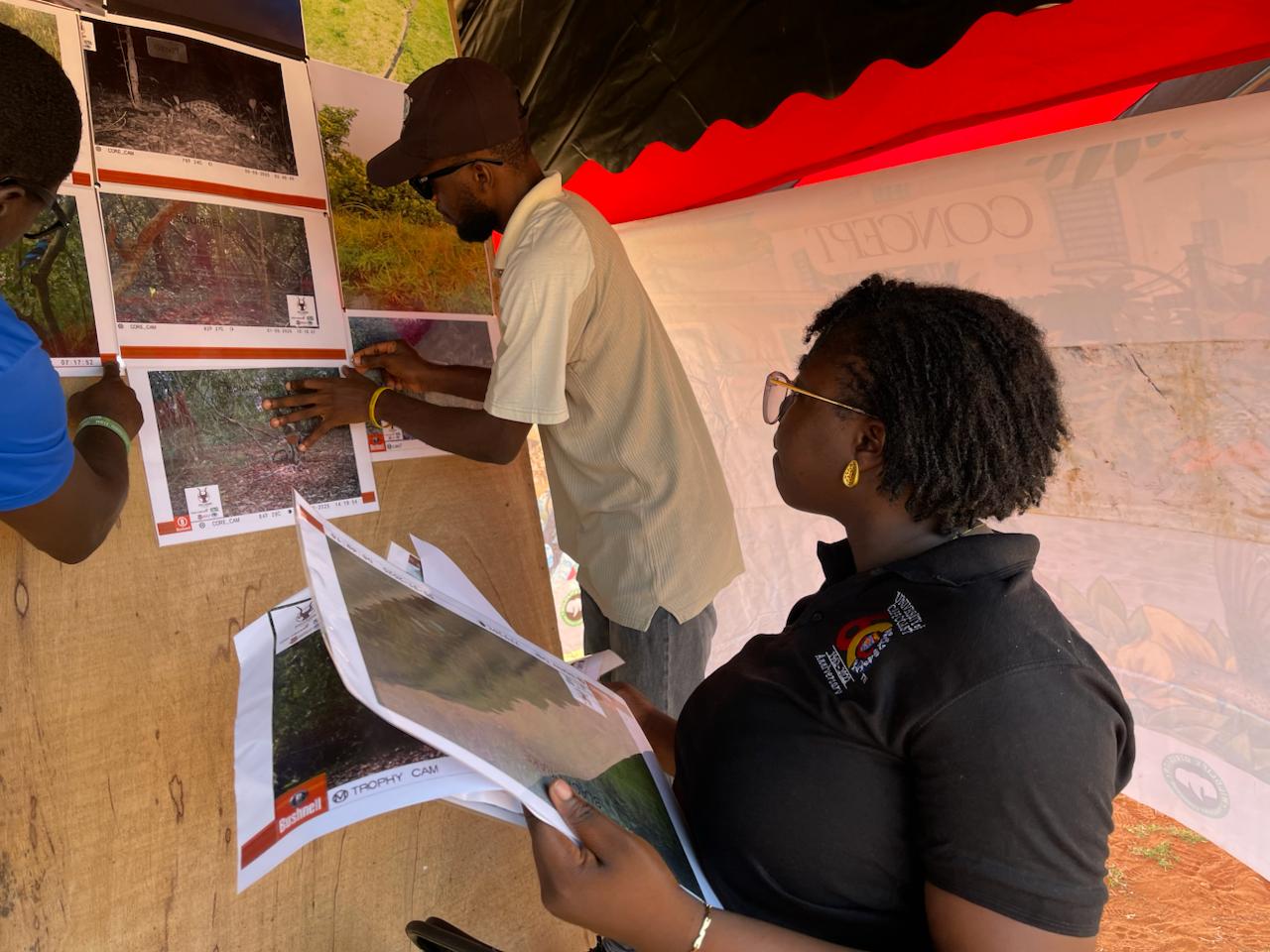
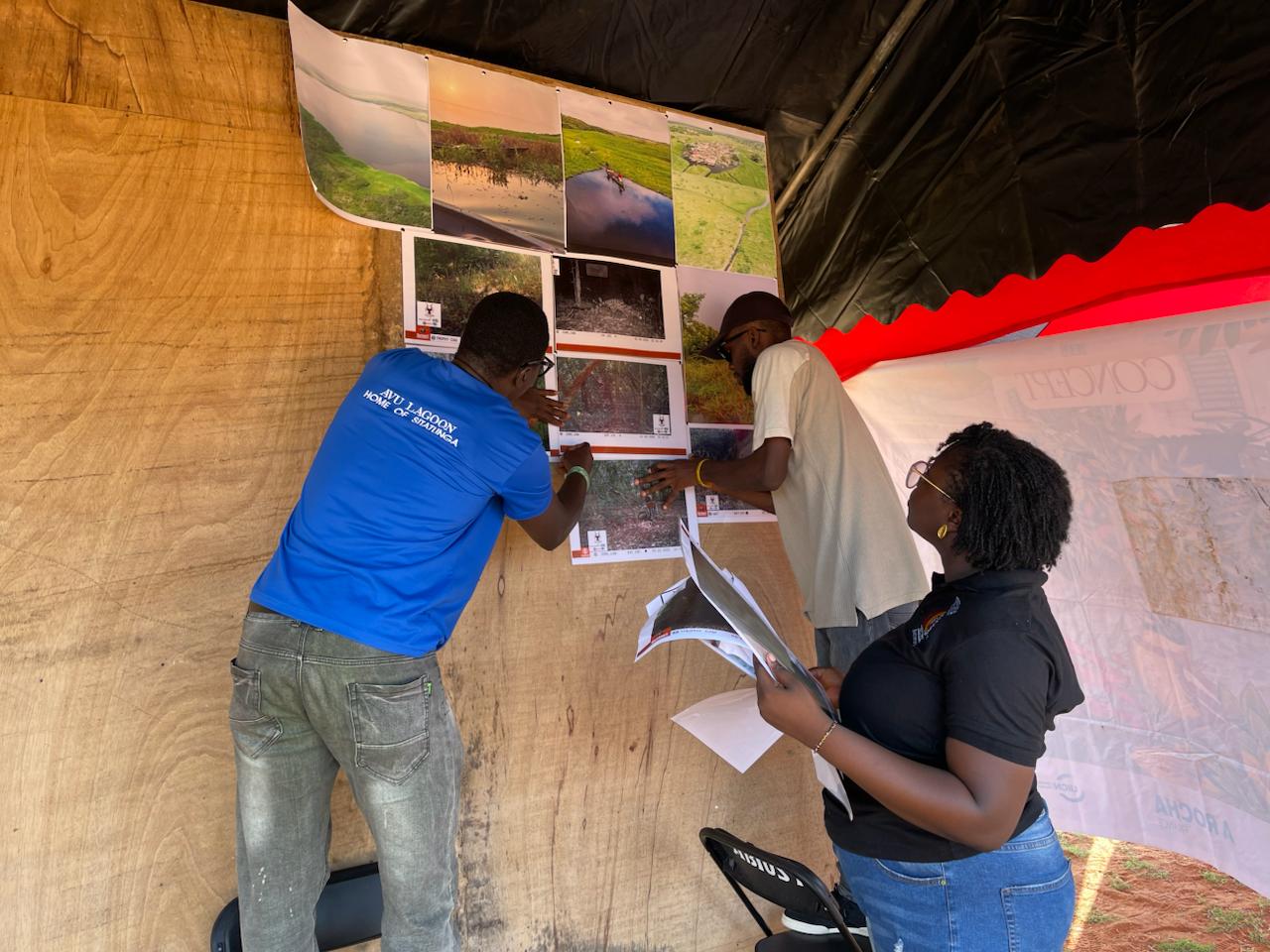
Through its exhibition, the Centre showcased two flagship initiatives that exemplify its contributions to wetland protection, conservation, and restoration. The Avu Lagoon project, which is a partnership between the Centre, Wilder Institute/ Calgary Zoo and the Wildlife Division of the Forestry Commission, illustrates how research and stakeholder collaboration can maintain the ecological integrity of wetland ecosystems while promoting sustainable resource use. By engaging local communities and institutions, the project demonstrates that conservation outcomes are more effective when traditional knowledge and community participation are incorporated. Similarly, the West Africa Women Shellfishers and Food Security Project highlights the intersection of gender, livelihoods, and environmental sustainability. By supporting women involved in shellfish harvesting and processing, the initiative addresses food security while fostering responsible wetland management, demonstrating that empowering local resource users enhances both conservation and socio-economic resilience.

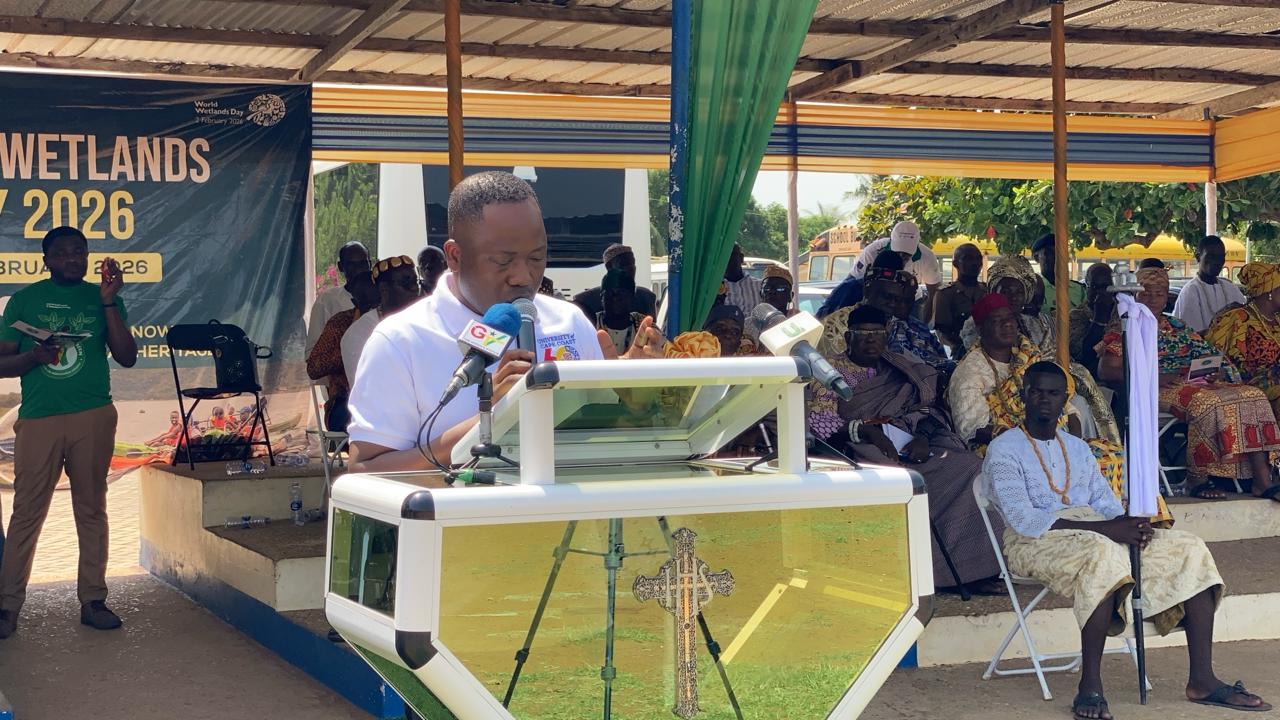
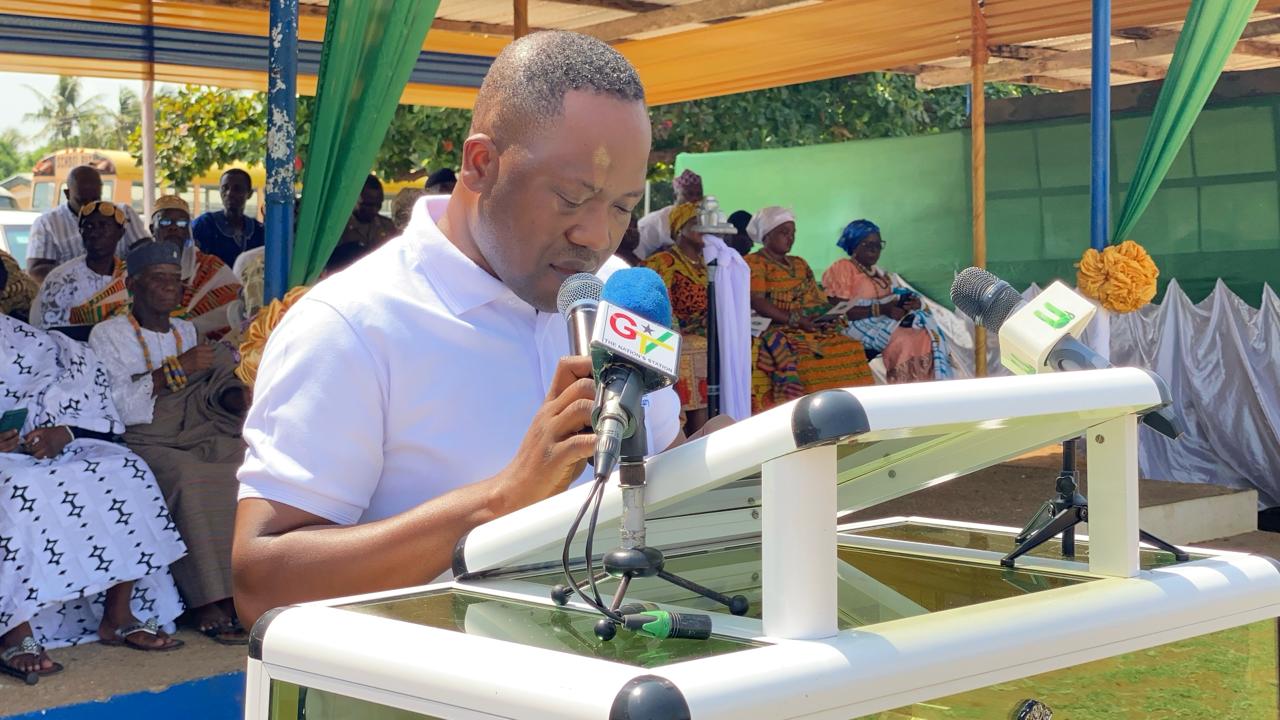
A focal point of CCM-ACECOR’s contribution was the speech delivered by Joshua Adotey on behalf of the Centre. The address emphasized the multifunctional nature of wetlands, recognizing their ecological, economic, and social roles and framing them as indispensable systems for biodiversity support, climate regulation, and livelihood sustenance. Mr. Adotey highlighted the importance of evidence-based research in guiding policy and decision-making, noting how CCM-ACECOR’s work translates scientific findings into actionable insights for sustainable wetland governance. He further underscored the centrality of community participation and indigenous knowledge, reinforcing the idea that local populations are integral to the stewardship and long-term management of these ecosystems. Additionally, the speech advocated for collaborative approaches, calling for coordinated efforts among government agencies, civil society, academic institutions, and local communities to enhance the effectiveness and sustainability of wetland conservation.

Through its exhibition and Mr. Adotey’s address, CCM-ACECOR illustrated how research, community engagement, and policy advocacy can work together to advance wetland conservation. The Centre’s participation demonstrated that sustainable wetland management requires an integrated approach that balances scientific knowledge, local experience, and inclusive stakeholder collaboration. By situating wetlands as critical ecological and socio-economic assets, CCM-ACECOR reinforced the message that their protection, restoration, and sustainable use are essential for climate resilience, biodiversity conservation, and the well-being of communities that depend on these ecosystems.


Last modified